 trending









Visa and Mastercard have reached a revised settlement with US merchants that could reshape the long-running debate over interchange fees.
The agreement follows nearly two decades of litigation and comes after a federal judge rejected an earlier $30 billion accord in June 2024 as “inadequate.”
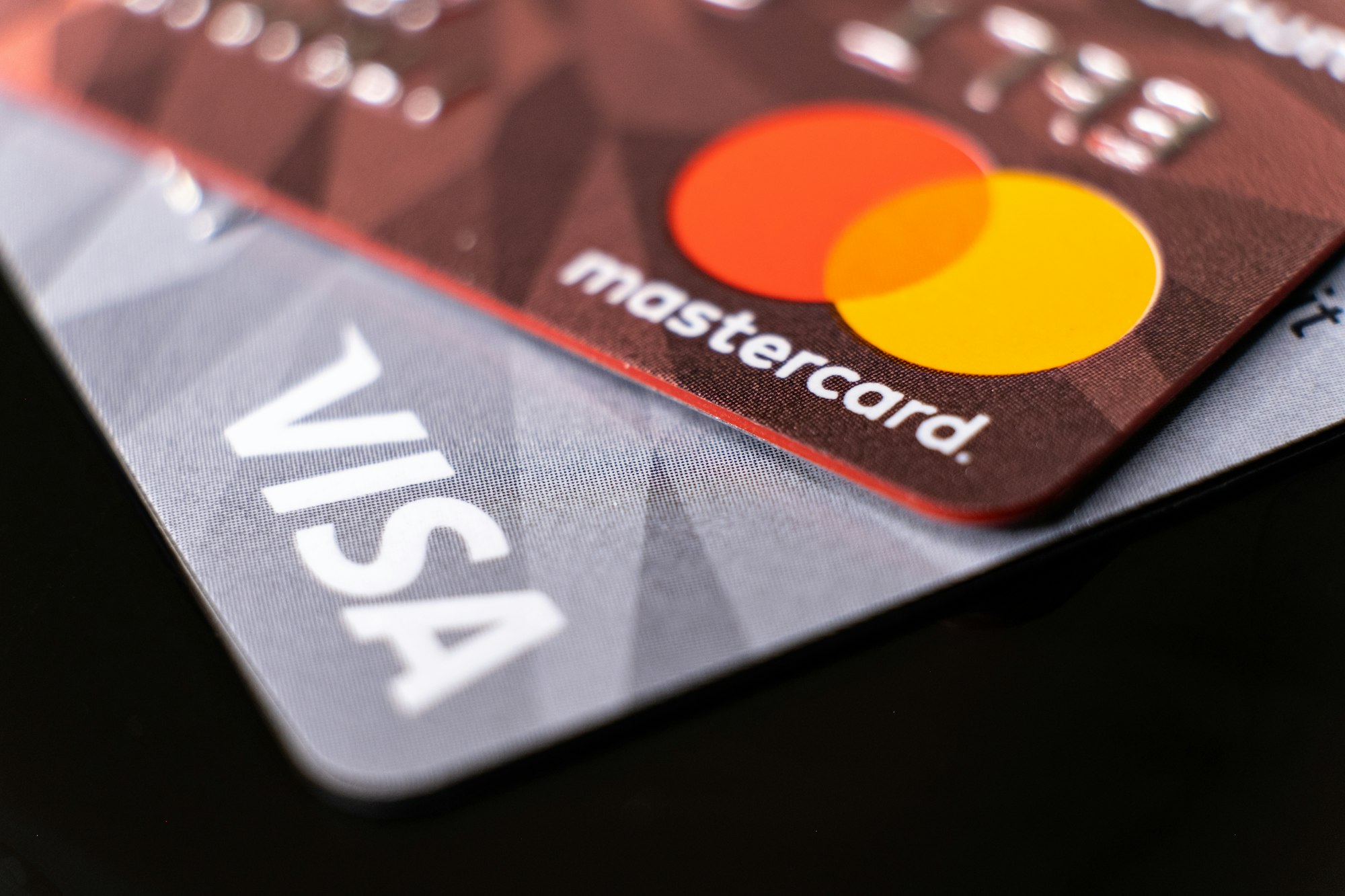
Networks agree interchange fees settlement
Under the new deal, the two payment giants will reduce swipe fees — typically between 2% and 2.5% per transaction — by 0.1 percentage points for a period of five years.
They will also grant merchants greater flexibility in how they accept cards, including the ability to choose between different categories such as commercial, standard consumer, and premium “rewards” cards.
Standard consumer transactions would be capped at 1.25% until the settlement expires.
The changes would allow businesses to reject high-cost premium cards and impose surcharges on credit card payments — practices previously limited by Visa and Mastercard’s “Honor All Cards” and “anti-steering” rules.
These provisions have long been a source of contention for retailers, who argue they have little leverage to control spiralling costs.
Interchange fees — also known as swipe fees — have risen sharply in the past decade, totalling $111.2 billion in 2024, according to the National Retail Federation. That is more than four times the level recorded in 2009.
Both card networks said the revised settlement would deliver “meaningful relief” and “greater flexibility” to merchants, particularly smaller businesses.
Neither firm admitted wrongdoing.
However, opposition from some quarters is already mounting. The Merchants Payments Coalition criticised the proposed fee cuts as “minuscule,” arguing that Visa and Mastercard could still raise rates once the temporary reductions expire.
Trade groups also warned that banks may simply reclassify cards into higher-fee categories, eroding any potential savings.
The deal still requires approval from US District Judge Margo Brodie in Brooklyn. If accepted, it would close one of the longest-running antitrust battles in US payments history — but many merchants believe the concessions fall far short of genuine reform.



Comments