 trending










Pay by Bank is once again being talked up as a potential disruptor to the entrenched dominance of card payments in the United States.
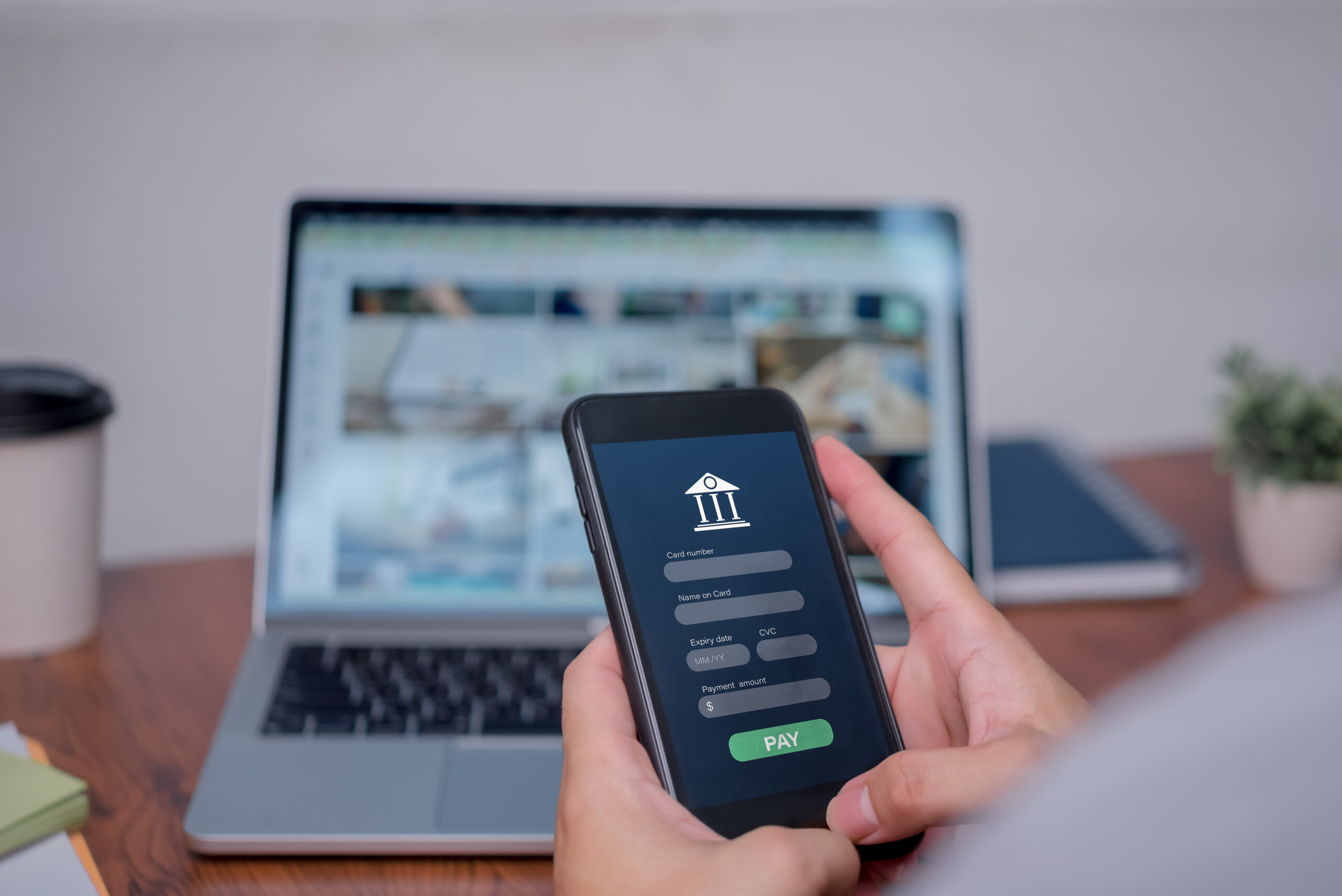
Pay by Bank gains awareness
Yet while consumer awareness and trial have reached meaningful levels, habitual use remains elusive — underscoring that the challenge facing bank-to-bank payments is no longer technical, but behavioural.
Research from PYMNTS Intelligence, shows that around 30 per cent of US consumers have used Pay by Bank in the past year.
Despite that, the method still accounts for just 1.5 per cent of total consumer transactions. The conclusion is unavoidable: Pay by Bank is being tried, but not adopted as a default.
From capability to habit
Pay by Bank has already cleared many of the traditional hurdles that slow payment innovation.
Consumers are not required to open new accounts, install unfamiliar applications or navigate novel interfaces.
Instead, the method appears in contexts that feel intuitive — utility bills, subscriptions, peer-to-peer transfers — and usage has followed.
What has not followed is repetition. Debit cards continue to account for roughly 30 per cent of US retail payments, despite offering limited rewards and fewer protections than credit cards.
Their resilience reflects familiarity and trust rather than superior economics or technology.
Pay by Bank, by contrast, remains situational. Consumers use it when prompted by a merchant but rarely seek it out.
In payments, that distinction is critical. Infrastructure is defined not by availability, but by frequency.
Security perception, not performance
The most significant barrier to broader adoption is perception.
Nearly half of consumers who avoid Pay by Bank believe that sharing bank credentials is less secure than using cards.
This persists despite the fact that Pay by Bank relies on encrypted connections, bank-level authentication and does not expose sensitive credentials to merchants.
Cards benefit from decades of consumer education, clear dispute processes and heavily marketed zero-liability protections.
Pay by Bank lacks an equivalent narrative.
Logging into a bank account feels more personal — and therefore riskier — even when the underlying security is stronger.
Invisible economics
From an economic standpoint, Pay by Bank is compelling.
By bypassing interchange fees, it allows merchants to reduce costs — savings that can, in theory, be passed on to consumers. In practice, those benefits are rarely visible.
The research suggests that modest, explicit incentives matter.
Around 60 per cent of consumers say they would shift some transactions to Pay by Bank if offered buyer protections and a small discount, such as 1 per cent. Among digital wallet users, willingness is even higher.
Competing with the wrong benchmark
A persistent strategic mistake has been positioning Pay by Bank as an alternative to credit cards.
Credit cards succeed not just as payment tools, but as sources of liquidity. It cannot replicate that function.
Its true comparison is debit. Both draw directly from bank accounts and settle without extending credit.
Yet few debit users currently view Pay by Bank as a substitute. Closing that gap will require guarantees, clearer protections and sustained consumer education.
The rails are already in place. What remains is the slower work of trust-building — turning trial into habit, and familiarity into infrastructure.



Comments