 trending










Europe’s strategic autonomy debate has expanded far beyond defence and energy.
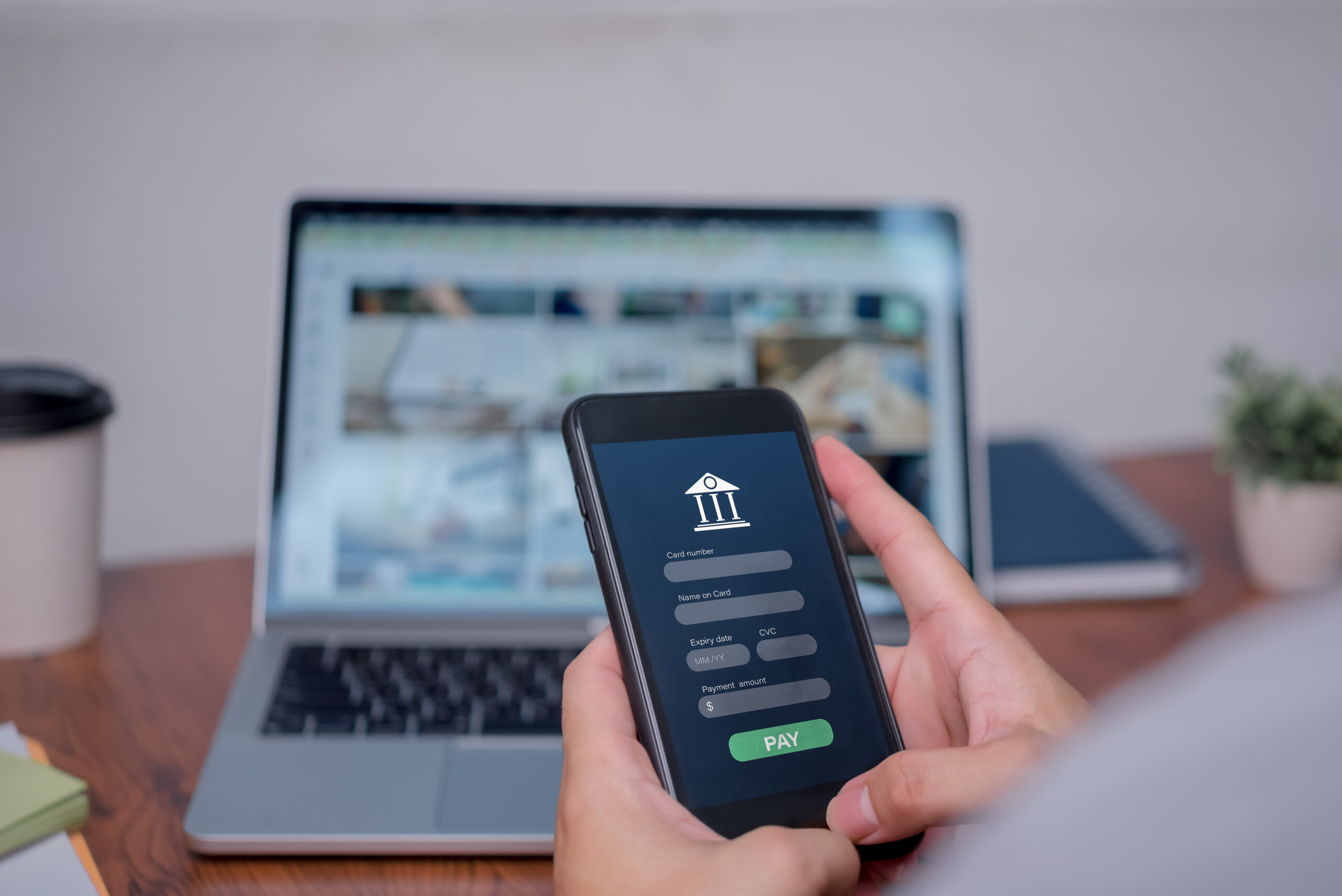
Pay by Bank – Europe’s payment sovereignty
As policymakers increasingly recognise, control over everyday payment systems has become a matter of economic sovereignty.
As MEP Aurore Lalucq has argued, it is difficult for Europe to claim independence while the majority of in-store and online payments depend on non-European card schemes and wallets.
This reliance persists despite the fact that Europe already possesses the infrastructure required to build a credible alternative.
That alternative, according to a policy paper from ETPPA, is Pay by Bank: a direct account-to-account payment method enabled by open banking APIs and Europe’s instant payments rails.
Europe Has the Infrastructure — But Not the Strategy
From SEPA Instant Credit Transfer to near-universal mobile banking adoption, Europe’s banking infrastructure is among the most advanced globally.
Yet the consumer checkout experience, particularly in physical retail, remains dominated by international payment schemes headquartered outside the EU.
This imbalance is not due to a lack of technology.
Pay by Bank allows consumers to pay directly from their bank account using their trusted banking app, eliminating intermediaries and reducing both cost and complexity.
For merchants, it offers instant settlement and lower acceptance fees. For banks, it keeps customer relationships and data within the European financial system.
The problem is not capability, but coordination.
A Private-Sector Alternative Already Exists
The European Central Bank’s digital euro project seeks to address payment sovereignty through a public-sector instrument.
While strategically important, it remains years away from commercial deployment and carries significant implementation costs.
By contrast, Pay by Bank already connects to more than 400 million EU bank accounts through Open Banking frameworks.
Its decentralised architecture avoids single points of failure, enhancing resilience while reducing systemic risk. Crucially, it does not require the creation of a new monetary instrument or taxpayer-funded infrastructure.
If access to international schemes were ever constrained — whether through regulation, pricing changes or geopolitical tension — Pay by Bank would be the only immediately deployable pan-European alternative.
Europe Risks Falling Behind Global Peers
Europe was the pioneer of open banking through PSD2, yet its early lead has eroded.
India’s UPI and Brazil’s Pix have become national payment utilities, deeply embedded in everyday commerce.
Even the UK has positioned Pay by Bank as a strategic payments pillar, supported by coordinated industry and regulatory action.
Europe, by contrast, remains stuck in partial implementation.
Online Pay by Bank is gaining traction, but in-store usage is still fragmented. Without regulatory clarity and harmonisation, scale remains elusive.
Why the Payment Services Regulation Matters
The forthcoming Payment Services Regulation represents a critical inflection point.
By closing remaining regulatory gaps and enabling Pay by Bank across all environments — including physical retail — the PSR can transform Open Banking from a compliance framework into a strategic asset.
Unlike the digital euro, Pay by Bank is available today. It is open, scalable and rooted in European innovation.
To secure payment sovereignty, resilience and competitiveness, policymakers must finish what PSD2 started and ensure that European Pay by Bank solutions can operate seamlessly, everywhere Europeans choose to pay.



Comments