 trending











Gamers today face a world of choices when it comes to paying for their games, subscriptions, and in-game items. Credit cards, debit cards, crypto, digital wallets, and other options all vie for attention.
Still, somehow, bank cards remain the most popular. They have been around long enough that people just trust them. There is a comfort there, a sense of reliability, that newfangled methods have a hard time matching.
Why Are Credit And Debit Cards Kings?
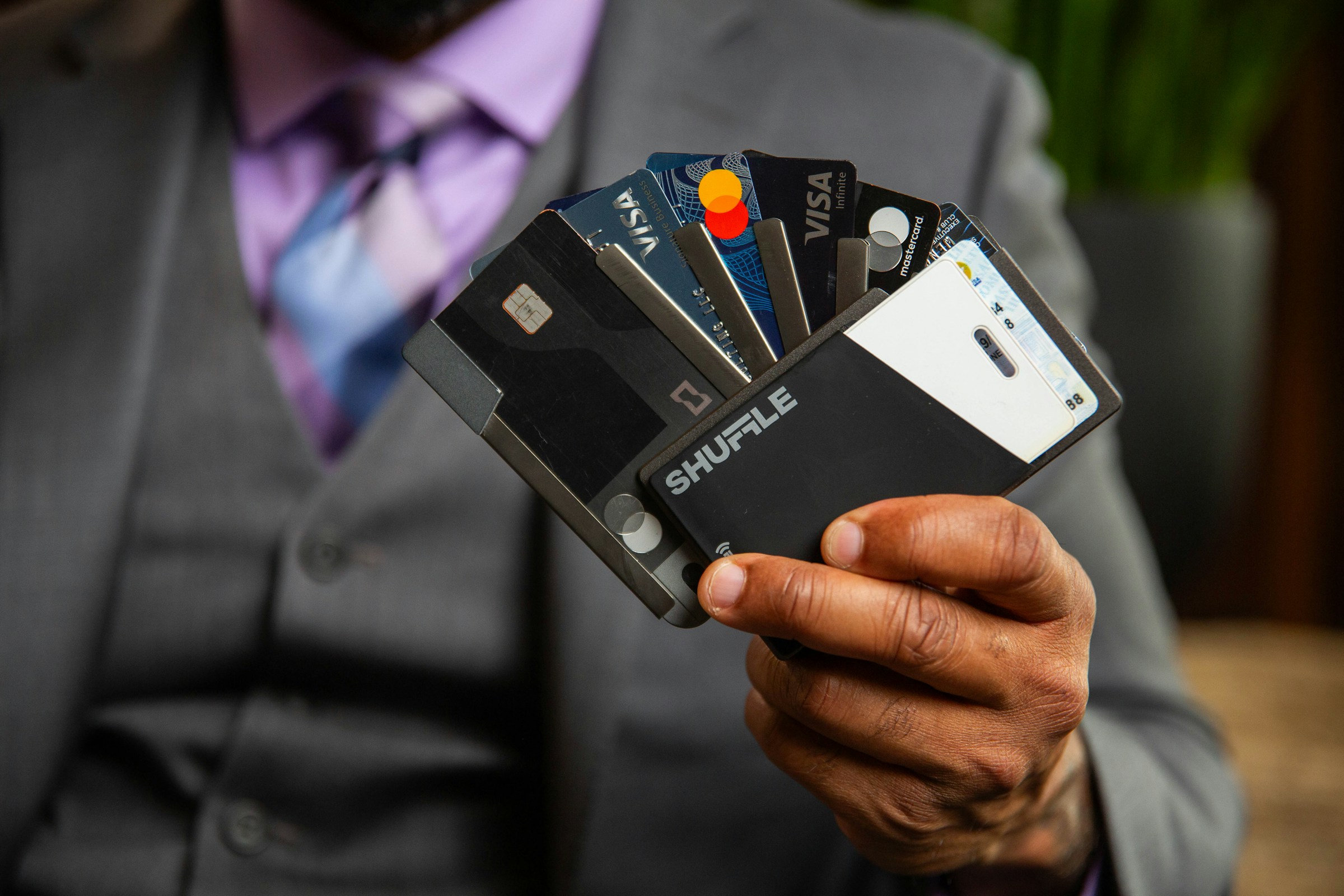
Why gamers still prefer bank cards
Credit and debit cards dominate, no question about it. Almost every adult gamer has one or has used one, and this familiarity makes onboarding frictionless.
If you are signing up for a new console store or buying an AAA game, the default choice is almost always a Visa or Mastercard. They slot neatly into subscription models, too.
For instance, if you are paying monthly for a cloud gaming service or game pass, your card handles everything automatically. You do not have to think twice, and the platform does not either.
And it’s like that all over the world. You can be sitting in the UK, buying stuff from the US with your card, and a Chinese firm will deliver it. A player from South Africa can participate in a tournament in Australia.
The world of entertainment is built on credit cards. Online gambling shows why cards remain king. Plenty of US poker sites almost always accept Visa or Mastercard first.
Players want deposits confirmed instantly, and cards delivered. Withdrawals are relatively straightforward, too. Crypto is gaining attention here, but legal frameworks and platform verification still make cards simpler for most people.
Traceability matters in gambling. Regulators can audit card transactions easily. Gamblers feel safer knowing disputed funds can be reversed.
Privacy-seeking players may prefer crypto, but the average person values clarity and trust. That is why, even in an industry where alternative payments are technologically feasible, bank cards dominate.
Cards are secure in ways new options often aren’t. Fraud detection catches unusual activity fast. You can dispute charges or get refunds if something goes wrong. That safety net matters.
Even a $60 game purchase feels safer knowing the transaction is reversible if a problem arises. It is something crypto can’t promise easily. Reliability is what keeps most players coming back to cards, even when alternatives sound exciting.
Cryptocurrency Payments VS Cards
A new contestant has entered the ring, wildly swinging and changing everything we know about payments. They are a bold challenger, and cryptocurrencies feel exciting, futuristic, and a little wild.
They have certainly disrupted the status quo and have taken the shot at the top, but has it landed? Barely, and far from the target.
On paper, crypto has plenty going for it. Transactions are peer-to-peer, no banks in between, no middlemen.
And they are overtaking the indie developers as they like to experiment, where some are accepting Bitcoin, Ethereum, or other tokens. Even in-game assets can be tokenized, creating mini economies on blockchain.
But crypto has challenges. Value swings wildly, and players want stability. The 60$ that they pay via credit card remains 60$. $60 in crypto might suddenly feel like $62 or $57 by the time your wallet confirms.
Network fees spike unpredictably, and we are looking at you, rising Ethereum fees. In the end, it can cost any gamer more to process a transaction than to buy the game.
Integrating crypto into mainstream gaming is tricky, too. Not all platforms support it; some require convoluted verification steps, and if a transaction fails, there is no chargeback.
It’s an interesting experiment, but most players prefer the clarity of cards over the gamble of crypto. For now.
Prepaid And Gift Cards Join Against Cards
With their combined might, they present themselves as a worthy candidate. Prepaid cards and gift vouchers work in their own niche. You can buy an Xbox gift card, a Steam Wallet code, or something similar.
They keep your real banking info out of the transaction, which is reassuring. For teenagers, parents, or cautious players, this is attractive. They also help control spending. Once the card is empty, that’s it.
It is a neat system, but cumbersome for bigger purchases. You might need multiple codes to pay for a single deluxe edition game. The process is slower and less fluid than a credit card swipe or digital wallet checkout.
Still, for casual gamers or gift-giving, prepaid cards fill a clear need. They are not a replacement for cards, just an alternative in specific scenarios. Just another tool to add as a plan B, but not as a main source of payment anytime soon.
Digital Wallets Challenge to Cards Hold
Digital wallets like PayPal, Apple Pay, and Google Wallet let you store multiple cards or bank accounts and streamline checkout.
Mobile games benefit enormously from this. One tap, instant purchase, back to the game. In battle royale titles, cosmetic skins or character upgrades appear immediately, and you never type your card number twice.
Still, the underlying system usually depends on traditional banking. And digital wallets can be disrupted as pure payment methods. While they are a convenience, there is no doubt about it, they are still viewed as a means to process, not a direct way of payment.
Without gamers adding cards to them, they are useless, in their eyes. Even though digital wallets are more than their physical counterparts, it will take some time for the public perception about them to change.
Wallets often just sit on top of a card or bank account, meaning the card is still quietly doing the heavy lifting. Quietly, but noticeable by gamers, as they still rank cards above wallets. Convenience is huge, but it does not eliminate the dominance of cards.
It’s faster, maybe smoother, but it also feels like a bridge rather than a replacement. Soon, with the collaboration of Visa and Google, the public perception around online payments will shift once more. Will digital wallets survive it?
Mobile Carrier Billing Take On Cards
Mobile carrier billing is interesting. It works well in regions with limited access to banking, letting you charge purchases directly to your phone bill. It is fast and convenient, especially for microtransactions. Free-to-play mobile games, freemium models, and casual apps see success with this method.
But it has limits. High fees, cumbersome refund processes, and no real option for large purchases make it unsuitable for AAA titles or subscription platforms.
It is a tool, useful in its niche, but not a threat to the broad dominance of cards. Gamers will always gravitate toward the method that is fast, flexible, and broadly accepted.
Bank Transfers Or Card Payments?
Bank transfers work for some users, especially in parts of Europe and Asia. SEPA transfers or ACH payments are secure and auditable.
Yet they are slow. It can take days for the money to reach the game developer or platform. In an industry built around immediacy, that delay feels painful.
Instant access is part of the appeal of digital gaming, and waiting is rarely acceptable. Their main appeal is safety and the reputation of the bank that stands behind it.
But that name can be sullen when gamers have to wait 3-5 business days for a single transaction to pass.
It’s not the 90s anymore; gamers can buy 100 games before a modem is done connecting to the World Wide Web.
Cost-wise, transfers may save money on fees compared to cards, but the trade-off in speed and convenience is not worth it for most users.
It works for specific users who prioritize security or cost, but it remains niche. Cards handle everything faster, which is why they stay central to global gaming.
Final Decision
Gamers stick with bank cards for practical reasons. They are familiar, fast, and secure. New payment options bring innovation and excitement, but rarely do they match the reliability and simplicity of a traditional card transaction.





Comments