 trending









A quiet but consequential struggle is under way at the heart of the global financial system.
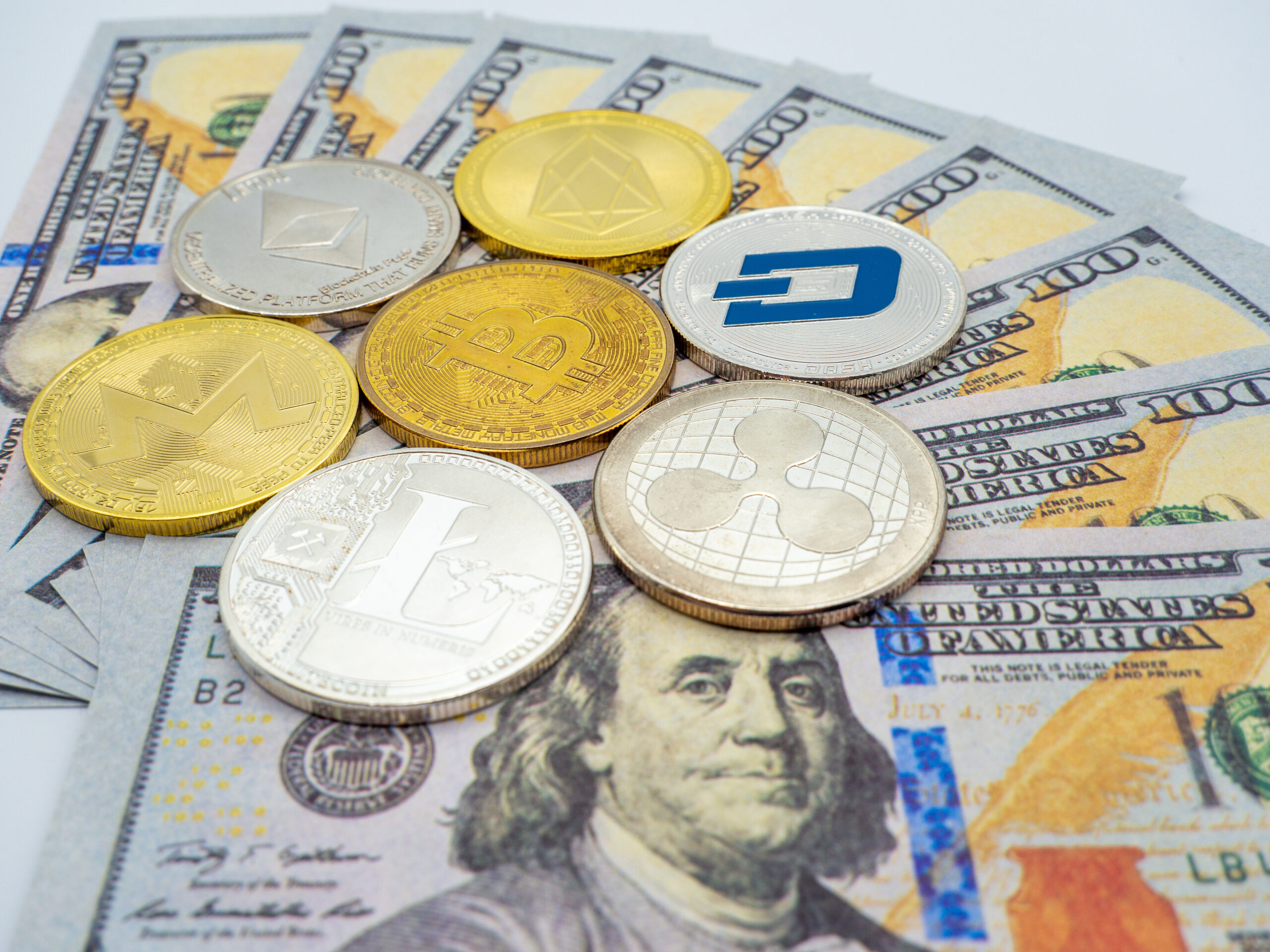
The stablecoin battleground
On one side sit Wall Street’s largest banks, guardians of deposits, credit creation and monetary transmission.
On the other are crypto companies, arguing that stablecoins — digital tokens pegged one-for-one to sovereign currencies — represent a faster, cheaper and more globally native form of money.
What is at stake is not simply market share, but the architecture of finance itself.
Stablecoins already underpin large parts of the crypto economy, acting as the connective tissue between volatile digital assets and traditional currencies.
Their advocates want to push them much further: into cross-border payments, securities settlement and, ultimately, everyday commerce.
Banks see something else entirely — the emergence of a parallel monetary system operating beyond the reach of established prudential safeguards.
Interest, regulation and the question of competition
The current flashpoint is whether crypto platforms should be allowed to pay interest, or “yield”, on stablecoins. Under US rules passed in 2025, stablecoin issuers themselves cannot offer interest.
However, crypto exchanges such as Coinbase and Kraken can offer rewards funded through other activities. Banks argue this creates a regulatory loophole: crypto firms are, in effect, performing bank-like functions without being regulated as banks.
Industry lobbyists are pressing Congress to close that gap as part of a landmark crypto bill now under debate in Washington.
Crypto executives counter that this is less about financial stability and more about protecting incumbents from competition. As Brian Armstrong put it when Coinbase briefly withdrew support for the draft legislation, “We’d rather have no bill than a bad bill.”
The dispute matters because interest is a powerful magnet for deposits.
Banks warn that allowing stablecoin yields could draw money out of regulated institutions, shrinking their deposit base and constraining their ability to lend to households and businesses.
How big is the risk to the banking system?
Estimates vary widely. Research by the US Federal Reserve suggests that in a low-demand scenario, deposit outflows into stablecoins could be relatively modest — around $65bn.
By contrast, US Treasury analysis has modelled extreme scenarios in which several trillion dollars migrate out of the banking system.
Senior bankers are blunt about the implications. Jeremy Barnum has warned of a “parallel banking system” in which crypto firms can pay interest without holding capital or liquidity buffers.
From this perspective, the concern is not innovation but fragility: less liquidity in banks means less credit for the real economy, and greater systemic vulnerability in times of stress.
Academics echo these worries.
Philipp Paech of the London School of Economics argues that stablecoins, by design, cannot intermediate credit. “They may function as money,” he notes, “but they cannot finance the economy in the way banks do.”
Stablecoins and the Treasury market
The risks extend beyond deposits.
Major stablecoin issuers such as Tether and Circle back their tokens largely with US Treasury securities. In effect, they have become significant, non-bank holders of government debt.
That creates a new transmission channel for stress. A loss of confidence in a major stablecoin could trigger rapid redemptions, forcing issuers to liquidate Treasuries at speed.
European Central Bank economists have warned that such “fire sales” could disrupt the smooth functioning of the world’s most important bond market.
The danger is not theoretical.
In March 2023, the stablecoin USDC briefly lost its dollar peg after Circle disclosed that part of its reserves were held at Silicon Valley Bank, which had just collapsed.
The peg was restored, but the episode exposed how tightly interwoven stablecoins have already become with traditional finance.
Politics, power and global consequences
The battle is also political. The crypto industry has amassed significant lobbying firepower and enjoys vocal backing from Donald Trump, whose administration has made digital assets a strategic priority.
By contrast, banks retain deep influence in Washington and argue they are defending the public interest, not merely their balance sheets.
Beyond the US, the implications are global. The EU has already implemented comprehensive crypto rules, while the Bank of England has proposed caps on stablecoin holdings to limit financial instability.
Decisions taken in Washington will reverberate through payments, capital markets and central banking worldwide.
Stablecoins may yet transform how money moves around the world.
But as this fight makes clear, the question is no longer whether they will grow, but on whose terms — and at what risk to the financial system that underpins the real economy.




Comments