 trending











Stablecoins have long been marketed as the digital bridge between volatile crypto assets and the perceived solidity of fiat money.
Yet their accelerating adoption — particularly in the US — is raising difficult questions for the rest of the world about who really benefits from this transformation of money, and at what cost.
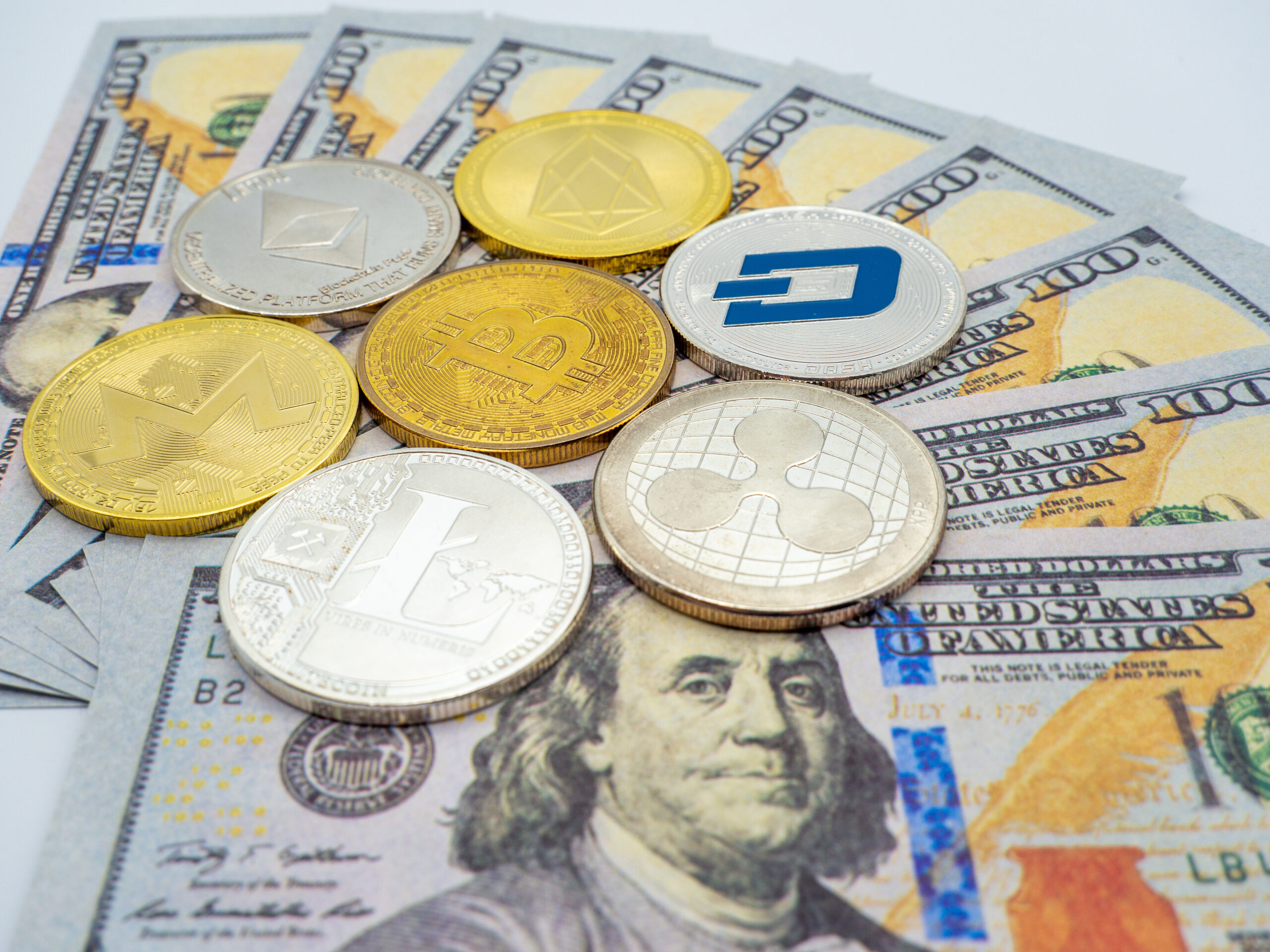
Stablecoins deserve closer scrutiny
The appeal is understandable.
For many Americans, slow and unpredictable bank transfers remain an everyday frustration. High card fees — five times the European average — and some of the world’s most expensive remittance corridors have further fuelled demand for alternatives.
In that context, dollar-denominated stablecoins can look like a pragmatic workaround for structural failings in the US payments landscape.
But the motivations go deeper than consumer convenience.
A dollar stablecoin circulating globally, as suggested by senior figures in Washington, would support demand for US public debt by entrenching the dollar’s role in digital commerce.
For the US Treasury, this is geopolitically expedient. For everyone else, it amounts to the partial privatisation of seigniorage — the economic value normally retained by states — and a shift of monetary influence towards private issuers and US policy priorities.
The Illusion of Stability
Despite their branding, stablecoins are not equivalent to dollars in a bank or in cash. International standard-setters — the IMF, OECD and Bank for International Settlements — have all warned that most stablecoins fail fundamental tests of monetary soundness.
The BIS highlights three essential characteristics of trustworthy money: singleness, meaning guaranteed one-to-one convertibility; elasticity, the capacity to settle payments of any size; and integrity, the ability to resist misuse by criminals.
Today’s major stablecoins, including USDT — recently rated “weak” by S&P Global Ratings — fall short on all three.
Their reserve transparency is inconsistent, governance opaque and susceptibility to illicit finance well documented. In a crisis, these weaknesses could escalate rapidly.
Private money has a long history of collapsing under stress. There is little reason to believe the current generation of stablecoins will break that pattern.
Europe’s Strategic Imperative
If the US chooses to promote lightly regulated, globally distributed dollar stablecoins, other jurisdictions cannot simply look on.
Europe has particular cause for caution: relying on privately issued digital dollars would expose European economies to the vulnerabilities of foreign regulation and the fiscal agenda of a rival power.
The more constructive route is already emerging.
The Bank of England’s proposed regime for sterling-denominated systemic stablecoins offers a blueprint for transparent reserves, robust supervision and interoperability with existing payment rails.
Properly designed, such instruments could support cheaper domestic payments and smoother cross-border settlement — without ceding monetary sovereignty.
Stablecoins will grow; that much is clear. The question is whether they evolve into a catalyst for safer digital money, or a conduit for fragility and geopolitical leverage. On that choice, the world cannot afford complacency.






Comments