 trending









A new report has found that casinos, junkets, and cryptocurrency have emerged as a critical piece of the underground banking and money laundering infrastructure, fuelling transnational organized crime.
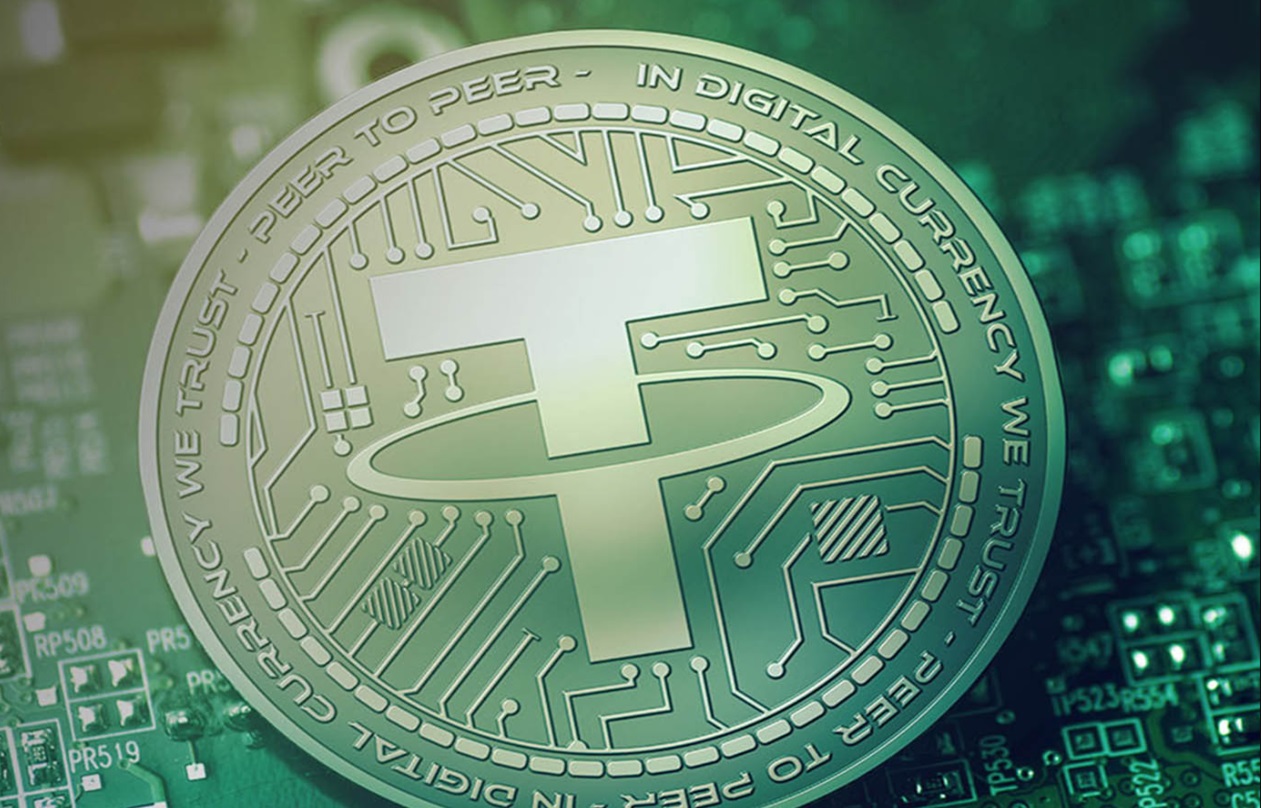
Tether: route for money laundering
Tether has also emerged as one of the leading payment methods for money launderers and fraudsters operating in south-east Asia, the UN has warned.
According to the report published by the UN’s office on drugs and crime, Tether and its crypto token, one of the world’s largest cryptocurrency platforms, is at the heart of the exploding industry of scams, including those that engineer false romantic connections to gain a victim’s trust before luring them to transfer large sums.
“In recent years, law enforcement and financial intelligence authorities have reported the rapidly growing use of sophisticated, high-speed money laundering…teams specialising in underground tether,” the report said.
The evolution of cryptocurrency, alongside other rapid technological developments, has also galvanised the decades-old practice among south-east Asia’s organised crime gangs of using black market casinos to launder illicit funds.
“Online gambling platforms, especially those operating illegally, have emerged as among the most popular vehicles for cryptocurrency-based money launderers, particularly for those using Tether,” the report says.
“Organised crime has effectively created a parallel banking system using new technologies, and the proliferation of loosely or entirely unregulated online casinos together with crypto has supercharged the region’s criminal ecosystem,” explains Jeremy Douglas of the UN’s office on Drugs and Crime.
Tether’s digital token is a stablecoin pegged to the US dollar and allows traders to move in and out of crypto trades, unlike cryptocurrencies such as bitcoin that are not pegged to hard currencies and are predominantly used for speculation.
It is the largest of its kind with roughly $95 billion in circulation.
The UN report notes that in recent years authorities have dismantled several money laundering networks responsible for moving illicit Tether funds, including an operation that recovered $737 million in cash and crypto by Singaporean authorities last August.
In November last year, following a joint investigation with US authorities and crypto exchange OKX, Tether froze $225 million worth of its tokens connected to a “pig butchering” and human trafficking syndicate in south-east Asia, the report says.
Erin West, a criminal prosecutor and cyber crime expert based in California, said pig butchers gravitated to Tether’s digital coin because the cryptocurrency promised speedy, irreversible transactions on a blockchain. “Tether is the mechanism of choice . . . it’s fast and transactions cannot be retracted. Once money is moved, it’s moved. You can’t pull it back,” West said.
“Cryptocurrency regulations are way behind [the illicit activity] or practically non-existent, and organised crime groups who use and feed off vulnerabilities and weaknesses know this,” says Douglas.
Despite a broad enforcement crackdown on digital assets in the US and elsewhere, criminal groups have continued to embrace Tether’s token as an effective method of moving funds, to the point where some casinos have begun specialising in handling the token.



Comments