 trending











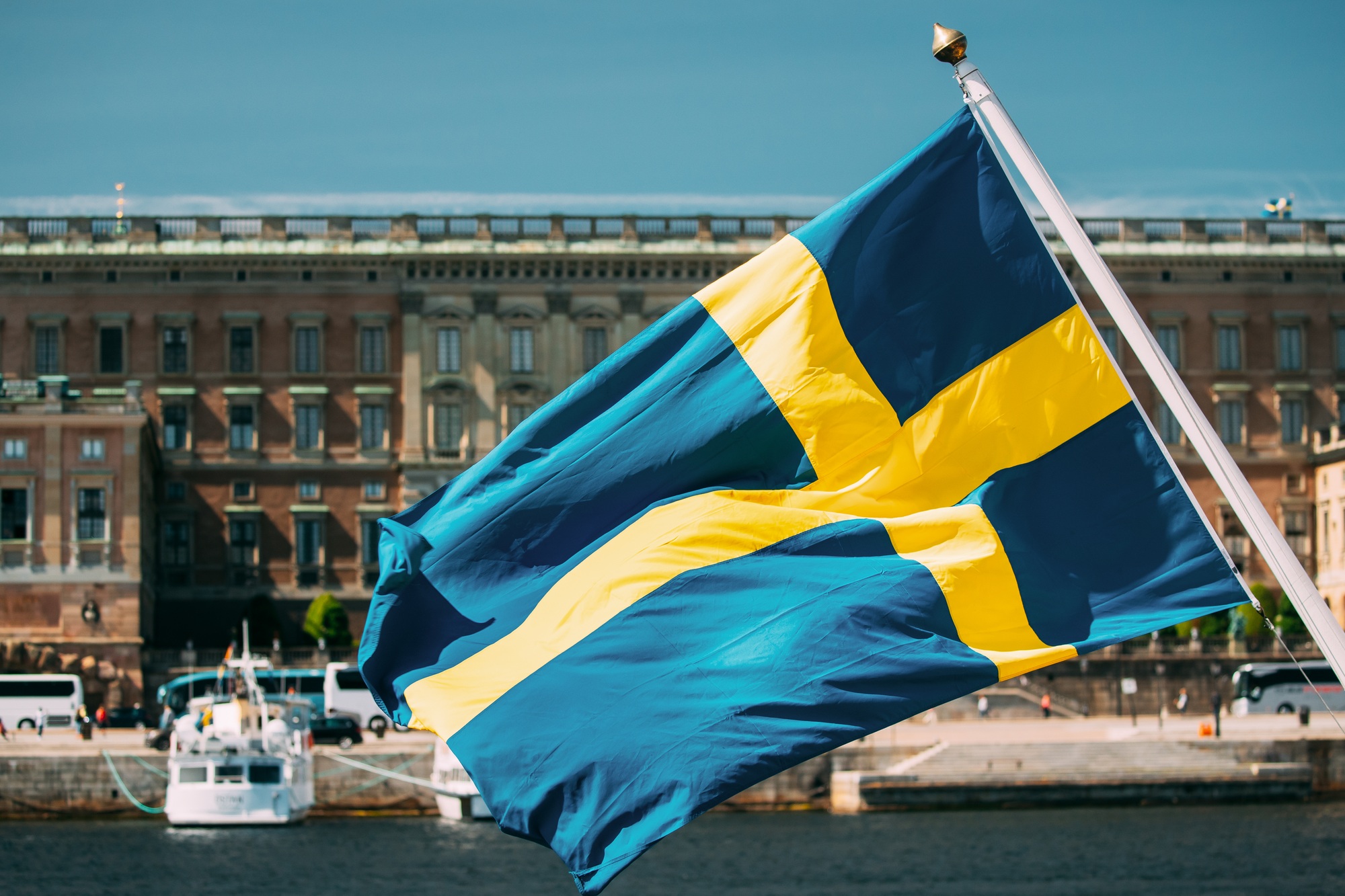
Sweden boasts a stable, highly sophisticated and digitalised modern economy, with one of the lowest percentages of cash usage anywhere in the world.
Around one in ten in-store payments in Sweden are made in cash, and it’s in such short supply that a law came into effect in 2021 requiring major banks to provide adequate cash services across the country.
Sweden: Cards still count
Alongside Norway, Sweden also has among the lowest percentage of cash in circulation relative to GDP among global markets.
Despite the growing popularity of mobile wallets such as Sweden’s home-grown Swish system, used by 86% of Swedes as of January 2025, card payments continue to dominate – especially debit cards.
Swedes are also among the most mobile-first consumers in Europe, routinely using their smartphones for everyday banking, identification and P2P payments.
Last year, debit cards were used in 3.5 billion payments across the country, and their use has risen by 14% over the last five years. This is a proportionally higher number than in comparator economies such as the Netherlands.
Card payments: still growing in double digits
While Sweden is often held up as a model of the fully digital future, the fact is that card payments still dominate the country’s payment landscape – and they continue to experience double-digit growth.
Card payments in Sweden have grown by 12.3% year-on-year since 2019, with the average value spent on cards per year up by 29.3% in total over the same period.
The total value of card payments in Sweden reached SEK 1370 billion in 2024 (rising 4.9% in a single year and 21% higher than the total seen half a decade ago.
“Cards still dominate Sweden’s payment landscape – and continue to experience double-digit growth.”
Although Swedes are some of the most sophisticated consumers on the planet, cards continue to be popular for online use.
Since 2021, Sweden’s Riksbank tells us that e-commerce payments have grown by around 30%, with cards used for more than half of all online transactions during that period.
Although Swish transactions have grown sharply in popularity, cards linked to mobile commerce transactions – the fastest-growing form of e-commerce in the country – have maintained market share for cards, and ensured that card transactions continue to grow in both volume and value terms.
Mobile and instant payments under the microscope
While Swedish mobile wallet and instant payments are gaining global attention, it’s worth reflecting on their true value to the economy.
For instance, Swish mobile wallet payments have been widely adopted, yet still constitute just one-third of the number of debit card payments in the country.
Last year, more than 1 billion Swish account-to-account transactions were processed, up 8.5% over 2023 – but still just one-third of the number of debit card transactions.
“While gaining ground, mobile wallet payments are still only one-third as frequent as debit card transactions.”
Likewise, while 70% of businesses now accept mobile instant payments, shoppers will find that card acceptance is even wider, at more than 80% of all firms.
In practice, Swedes often combine cards and digital payment methods, such as a physical or virtual card sitting behind mobile wallets and e-commerce flows, while Swish will be used for P2P, smaller merchants, and bill payments.
What it means for banks
Bringing these factors together, it’s clear that banks operating in Sweden should continue to place cards at the heart of their payment strategy for the next decade, and plan to keep innovating in the card space.
At the same time, card products need to be deeply embedded in mobile journeys and digital wallets to match Sweden’s mobile-first culture.
Banks should also be aware of growing competition for their card business from non-bank entities such as online retailers and telecommunications firms, with one late 2024 report from the IDC estimating that three-quarters of transactions globally could be processed by non-bank entities by 2030.
As a partner helping banks and fintechs to continue their leadership in the card industry, Worldline offers services across the card value chain, from issuing to card management, processing and fraud protection, enabling issuers to manage the entire value chain on one platform.
Worldline’s card issuing services include prepaid cards, debit and credit cards, commercial cards, digital and virtual issuing, plus card tokenisation services as part of a suite of next-level fraud protections which includes industry-leading 3DS security and full compliance with the latest Strong Customer Authentication (SCA) standards.
Worldline supports its client issuers with a comprehensive suite of value-added services, including card activation, full compliance with scheme rules, a rich API catalogue, instalment payments and BNPL.
The company’s deep experience across Europe enables issuers to get products to market rapidly, with pricing that’s easy to understand and leverages the economies of scale available to one of Europe’s largest card services companies.
To learn more about partnering with Worldline for card issuing services CLICK HERE
Nordic context: how Sweden compares
Sweden’s card-led yet highly digital payment landscape stands out even among advanced European markets.
- Sweden vs Finland: Both are advanced digital economies with strong card usage, but Sweden has moved further away from cash, helped by Swish and ubiquitous mobile banking.
- Sweden vs Netherlands: The Netherlands is also a low-cash, debit-led market, yet Sweden records a higher number of card payments per capita, with stronger adoption of mobile payment apps.
- Nordic DNA: Across the Nordics, consumers expect seamless digital services; Sweden pushes this further with national solutions like BankID and Swish that make mobile payments feel “built into” everyday life.
- Takeaway for issuers: Nordic consumers value cards, but expect them to be deeply integrated into mobile, e-commerce and account-to-account experiences.


Comments