trending










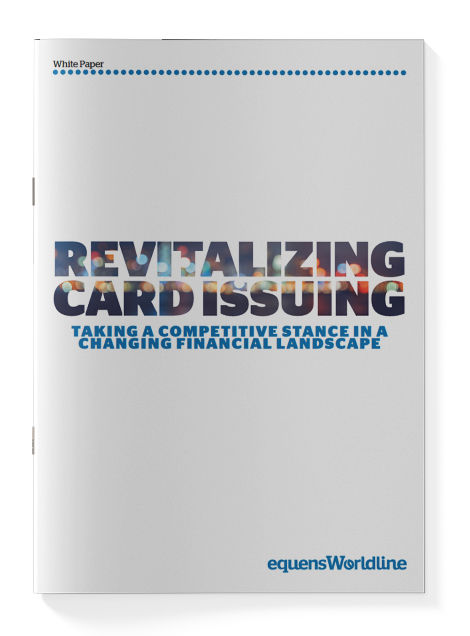 Is payment card issuing truly becoming a differentiating domain? Or is it just a commodity? Will consumers choose to join or leave a financial services provider based on their issuing services?
As digitization and technology continue to change the way we interact and transact, payment expectations are changing too. Consumers expect much more from their financial service applications, which are expected to be seamlessly integrated into their every-day lives.
This multiplication of secure payment applications is putting a strain on issuers who are increasingly challenged by expensive maintenance of legacy systems trying to balance this with development and innovation initiatives, complex technology migrations and support for new payment credentials. In this changing financial services environment, the ability of card issuers to operate cost-efficiently, adapt quickly in the market and to organize themselves around customer experience is key.
To capitalize on the revenue opportunities of the card payment industry, issuers first need to revisit their operating and business models and decide what role they aim to play in the future financial landscape. While investments needed to meet market requirements continue to increase, issuers are challenged by the fact that, above a certain threshold, it is simply too expensive to implement a solution on their own.
That being said, some of the largest and most well-established card issuers are (still) coping through significant in-house investments. At the same time, many of the medium and small-sized issuers are employing the modular product architectures of third-party processors as an integral part of their sourcing strategies to help them lower TCO (Total Cost of Ownership), increase efficiencies and bring innovative payment propositions to the market more quickly.