trending










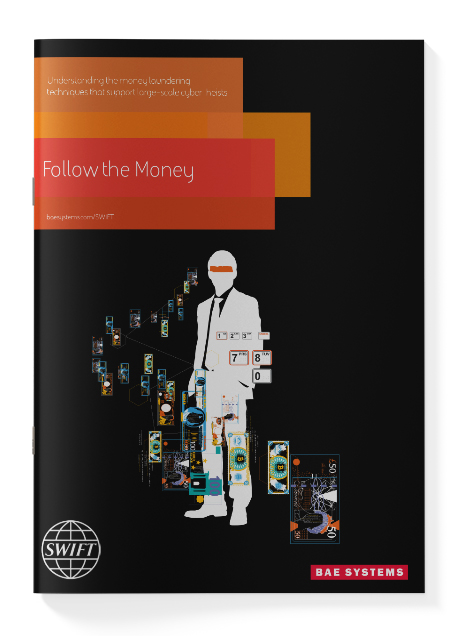
One area where the community has expressed interest in gaining more insight is around the approaches cyber criminals use to extract money once they have executed a successful attack. With this in mind, SWIFT commissioned BAE Systems to research and write this report. Its aim is to illuminate the tactics and techniques used by cyber criminals to cash out so that the SWIFT community can better protect itself, through both cybersecurity controls and financial crime compliance processes.
Large scale cyber heists, in which cyber-attackers manage to steal significant amounts of money from banks, continue to create news headlines. Various reports have been produced previously on how some of these attacks, such as those against banks’ high-value payment systems, succeed and how organisations can mount better defences. BAE Systems and SWIFT have jointly published reports on cyber heist techniques used against financial institutions and the evolution of the cyber threat to the banking community in 2017. and 2019. respectively.
However, to date, there has not been significant material published on what happens to funds after they have been stolen. This report focuses on that area, specifically the money laundering related activities necessary for cyber-attackers to not only conduct and ‘cash out’ a successful attack but also avoid the money subsequently being traced.
This report describes how money laundering is typically performed in the context of large-scale cyber heists. It illustrates key parts of the typical processes used by cyber-criminals with examples to help better inform readers on areas they should focus on to better prevent, detect and respond to money laundering. In addition, the report offers perspectives on areas in which controls could be further improved and how money laundering techniques may evolve.