 trending











For years, industry pundits predicted the death of the point-of-sale (POS) terminal, replaced by a future of frictionless payments and invisible checkout.
Yet for small and medium-sized businesses (SMBs), the opposite has occurred.
The POS has evolved from a basic transaction device into a powerful digital command centre — the operational core of modern retail and service businesses.
The Modern POS Platform
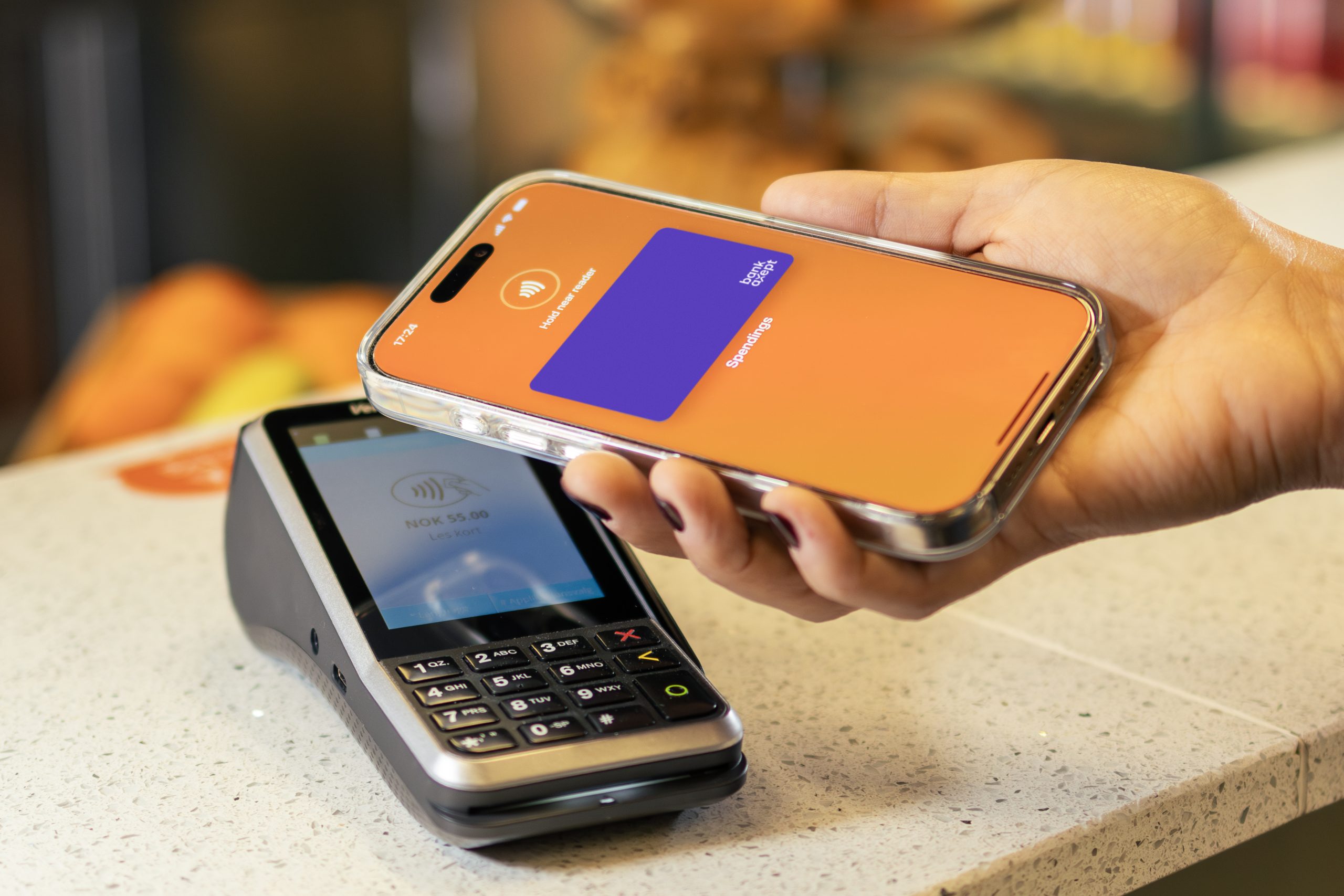
POS is becoming the heart of SMBs again
Today’s POS systems are intelligent, cloud-based platforms that do far more than process payments.
They integrate payroll, inventory management, marketing automation, staff scheduling, and customer relationship management into a single interface.
This consolidation enables smaller firms to operate with the same sophistication once reserved for large enterprises, while maintaining the flexibility and personal touch that define local commerce.
For many small retailers, the POS now functions as both a financial and strategic tool.
It provides real-time visibility over stock levels, automates reordering, and analyses sales trends to inform purchasing decisions.
The same data can feed marketing campaigns, helping businesses identify their most valuable customers and tailor promotions accordingly.
By streamlining operations and surfacing actionable insights, the POS has become essential to day-to-day efficiency and long-term planning.
Digitalisation of Payments
The transformation is closely tied to the digitalisation of payments.
Cash and cheques have steadily given way to cards, contactless and mobile wallets, meaning the checkout process itself is now deeply connected to customer data.
The POS acts as the bridge between payment technology and operational intelligence — turning every tap, swipe, or scan into a datapoint that can inform decisions about staffing, stock, and customer engagement.
This shift has also driven a wave of industry-specific innovation.
Modern systems are increasingly designed with niche functionality for sectors such as hospitality, health and beauty, and jewellery.
These specialised features enable precise tracking of orders, repairs, appointments, or commission structures, allowing small businesses to operate with far greater precision and insight.
The result is a new kind of business infrastructure: one that blurs the line between the front of house and the back office.
The POS no longer sits passively at the counter; it actively orchestrates the entire enterprise. In doing so, it reflects a broader truth about small business in the digital age — that success depends not only on service and product quality, but on the smart, data-driven systems that make those experiences possible.
Far from obsolete, the modern POS has become the digital heartbeat of “Main Street”.






Comments