 trending











Brazil’s instant payments system, Pix, is preparing to cross a symbolic threshold as it marks its fifth anniversary.
Pix hits 8 billion monthly transactions
According to a new analysis by EBANX, monthly Pix transactions could reach 7.9 billion in December, driven by peak holiday spending and a surge in consumer adoption.
No other real-time payments infrastructure has scaled at this pace, not even India’s UPI, the model on which Pix was originally based.
Pix: Digital Backbone of Brazil
Launched in November 2020, Pix has rapidly become the backbone of Brazil’s digital payments landscape.
EBANX highlights that the platform is on track to process $6.7 trillion in transactions in 2025 — a 34% increase on the previous year.
Such momentum is notable not simply for its scale, but for the speed with which Pix has reshaped user behaviour, merchant economics and national financial inclusion.
The reasons for that success are straightforward: Pix is free to use, instantly settles funds, is available around the clock and is accessible to virtually all Brazilian adults.
Of the 170 million consumers now using the service, many do not own a credit card — an estimated 60 million people.
For this cohort, Pix has become the gateway into the formal digital economy. EBANX reports that merchants offering Pix saw an average 16% rise in revenue and a 25% increase in customer numbers within six months, underscoring the system’s commercial impact.
Extraordinary Numbers
The cumulative numbers are extraordinary.
Between launch and September 2025, Pix processed 196.2 billion transactions worth $16 trillion — more than seven times Brazil’s annual GDP. The compound annual growth rate of 202% over its first five years demonstrates that expansion is far from slowing.
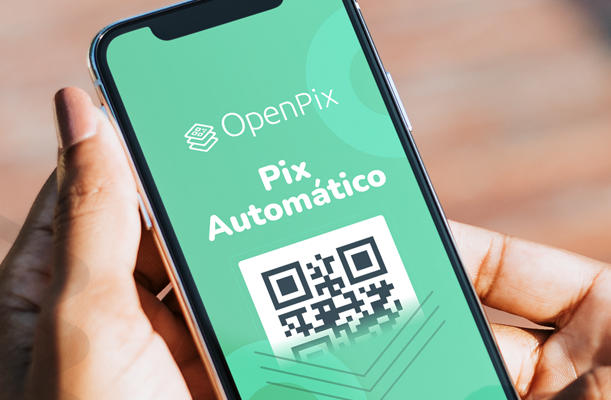
Features such as Pix Automático, which supports recurring payments, are extending its reach further, particularly for consumers previously excluded from subscription-based services.
A striking shift is emerging in how Pix is used. In the early months, transactions were overwhelmingly person-to-person.
Today, person-to-business payments account for the largest share, surpassing P2P for the first time in September and widening the gap since.
EBANX forecasts that P2B volumes could represent nearly half of all Pix activity by late 2026, confirming the system’s evolution from a basic transfer tool into a universal retail payment method.
Usage patterns also reveal a demographic and geographic broadening.
Young adults aged 20 to 39 conduct more than half of all transactions, while the Southeast remains the most active region. São Paulo leads both state and city rankings by a wide margin.
Five years on, Pix stands as one of the most successful digital infrastructure projects in the world. Its growth demonstrates that inclusive, low-friction payment rails can deliver profound economic and social dividends — and that Brazil remains a global testbed for payments innovation.





Comments