 trending










The United Kingdom’s retail payments landscape is undergoing a rapid and irreversible shift. What was once dominated by cards and cash is now being reshaped by mobile wallets and Buy Now, Pay Later (BNPL) services, signalling a deeper transition towards a fully digital financial ecosystem.
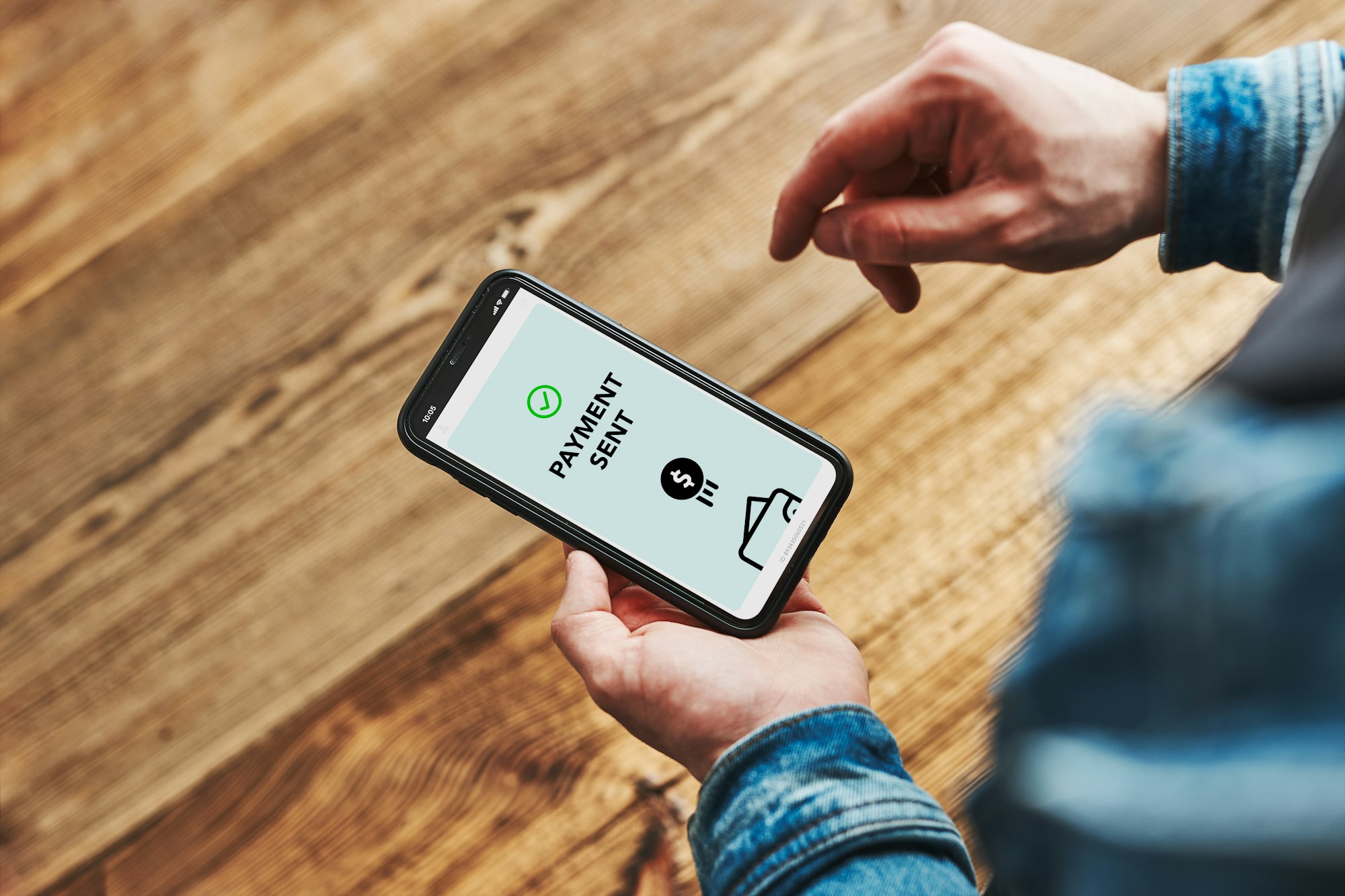
Mobile wallets redefining retail payments
According to UK Finance’s 2025 Payment Markets Report, 57% of UK adults now use mobile wallets such as Apple Pay and Google Pay — a steep rise from 42% the previous year.
This leap reflects not just convenience but a cultural shift: mobile devices are becoming the default interface for managing money, conducting transactions, and engaging with merchants.
From Cash to Contactless
Cash continues to lose ground, accounting for less than 10% of all payments in 2024. Meanwhile, mobile banking has overtaken desktop as the primary method for account access — a telling milestone in the UK’s journey towards digital-first finance.
Of the 26.1 billion debit card payments last year, 18.9 billion were contactless, much of it driven by mobile wallet adoption.
The data shows that once consumers embrace mobile payments, engagement is high: nearly half (44%) of mobile wallet users pay this way at least once a week. The shift is not merely technological — it reflects new expectations for speed, simplicity and security at checkout, both online and in-store.
BNPL’s Growing Role in Retail Behaviour
Parallel to the mobile wallet boom is the rise of BNPL, which now reaches one in four UK adults, up from just 14% the year before.
Klarna and similar providers have built strong traction in fashion retail, which represents nearly half of BNPL transactions. The typical £90 spend per purchase underlines BNPL’s appeal for lower-value, repeat online shopping.
This growth has strategic implications for payment processors and retailers alike.
Consumers now expect multiple flexible payment options, and merchants unable to offer BNPL or mobile wallet functionality risk losing customers to competitors that can.
Fintech has shifted from a supporting role to a front-line determinant of customer loyalty.
Innovation Vs Regulation
Fintech providers are now racing to bridge online and offline experiences through integrated, omnichannel payment systems that combine loyalty, checkout and settlement into a seamless journey.
Yet the boom comes with challenges. New UK regulations, expected in 2026, will introduce affordability checks for BNPL products — potentially curbing impulse-driven spending while raising compliance costs.
As cash use declines further, and mobile wallet adoption spreads among older demographics — with usage among over-65s jumping from 14% to 25% — the momentum toward digital payments is clear.
UK Finance forecasts card payments will make up two-thirds of all transactions by 2034.
Emerging technologies such as Pay by Bank, powered by Open Banking, are poised to further disrupt the status quo. The next decade will not just be about digital payments — it will be about redefining how value moves through an increasingly connected, mobile-first economy.




Comments