 trending










Mastercard has launched Wallet Services, a suite of software tools and services intended to help banks, fintechs and digital platforms add contactless payment functionality directly to their mobile applications.
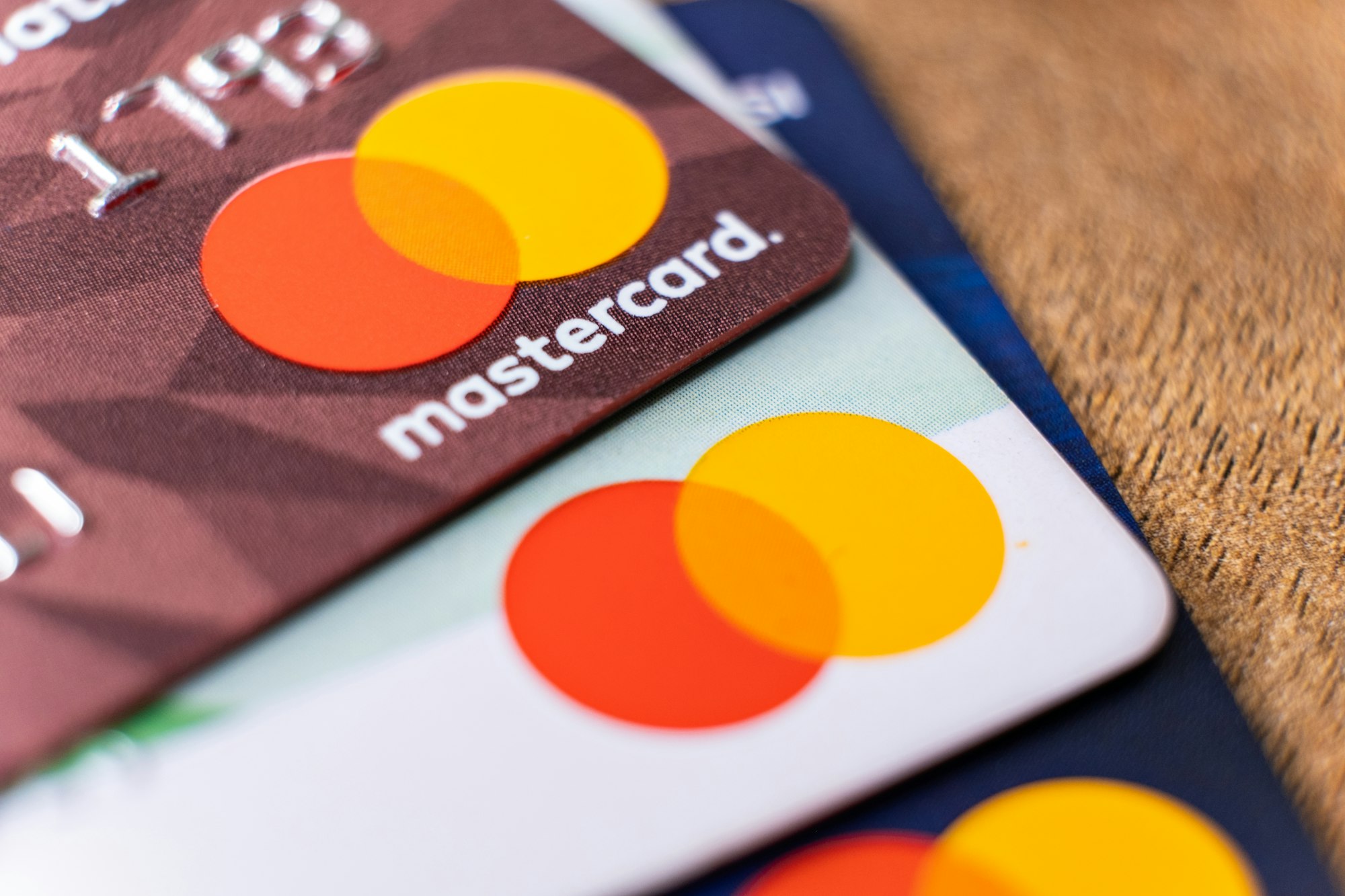
Mastercard has launched Wallet Services
Mastercard Wallet Services is designed to simplify the development of payment wallets across both Apple’s iOS and Google’s Android operating systems. The service includes software development kits and a Secure Element applet, allowing companies to build contactless capabilities without managing separate technical integrations or completing individual EMVCo certification processes.
The proposition addresses a longstanding obstacle for developers. Although Android has historically supported a range of third-party contactless wallets, Apple restricted access to the near-field communication technology used for in-store payments. This made Apple Pay the principal wallet able to use the iPhone’s tap-and-go capabilities and prevented banks from offering consistent experiences across both major mobile platforms.
Apple’s NFC Changes Open the Market
The competitive landscape began to change in 2024, when Apple agreed to expand third-party access to its NFC functionality following sustained pressure from regulators.
That shift has created new opportunities for banks and fintechs to embed payment capabilities within their existing applications rather than relying exclusively on Apple Pay or Google Wallet. However, access to the underlying technology does not remove the technical, regulatory and security requirements associated with developing a mobile wallet.
Mastercard is positioning Wallet Services as the infrastructure layer that can bridge this gap. By supporting both operating systems through a more unified integration, the company aims to reduce development time and allow issuers to launch payment features across multiple device environments.
Mastercard says it is already working with several banks using the service, with the first new wallet capabilities expected to reach selected markets before the end of 2026.
Banks Seek Greater Control of the Customer Relationship
For financial institutions, the ability to offer contactless payments within their own applications could provide greater control over the customer experience.
Banks may be able to combine payments with account management, card controls, loyalty schemes, rewards and personalised offers through a single interface. This could increase engagement while reducing dependence on third-party wallets that sit between issuers and their customers.
Fintechs, merchants and digital platforms could also use the technology to build wallets around specific communities, services or commercial ecosystems.
Consumer Adoption Remains the Central Challenge
Technical availability does not guarantee that consumers will abandon established wallets. Apple Pay and Google Wallet benefit from significant brand recognition, broad merchant acceptance and deeply embedded user habits.
Alternative providers will therefore need to offer more than basic contactless functionality. Rewards, discounts, integrated financial services and distinctive user experiences will be essential if new wallets are to gain meaningful adoption.
Mastercard chief digital officer Pablo Fourez said broader access would give banks and fintechs more room to innovate, although consumer migration would take time.
Mastercard Wallet Services represents an important response to the gradual opening of the mobile payments market. Its success will depend on whether financial institutions can translate greater technical freedom into wallet experiences compelling enough to change how consumers choose to pay.



Comments