 trending










Two Asia-based fintechs are preparing to launch what could become one of the region’s most ambitious experiments in digital currency.
Line Next, the Web3 arm of the Japanese messaging giant Line, and Kaia, a South Korea-based public blockchain, have unveiled Project Unify—a stablecoin-powered “superapp” set to be embedded directly into the Line Messenger platform.
200 Million Users
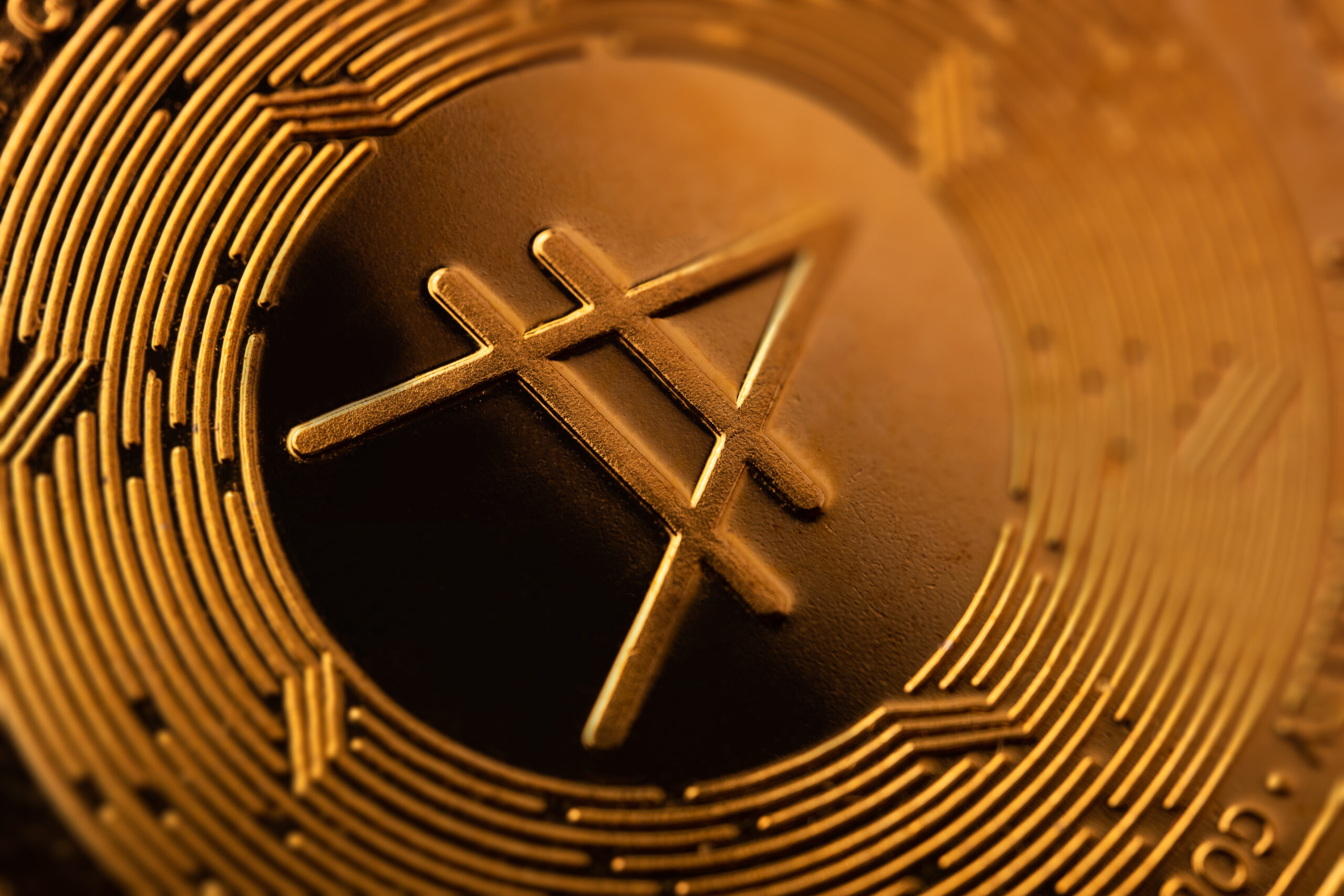
Kaia and Line to launch stablecoin Superapp
With nearly 200 million monthly users across Japan, Taiwan and Thailand, Line Messenger provides an immediate distribution channel of rare scale.
The new application, due to launch in beta later this year, will bring together a suite of services that extend beyond payments.
These include cross-border remittances, yield opportunities on stablecoin deposits, access to more than 100 decentralised applications, and on- and off-ramps that allow seamless conversion between fiat and digital currencies.
Dr Sangmin Seo, chairman of the Kaia DLT Foundation, described the initiative as a response to the “often overlooked” infrastructure challenges of stablecoins.
By positioning Project Unify as a “universally compliant” platform, the venture aims to consolidate a fragmented market in which stablecoin issuance, liquidity management and cross-border usability are still unevenly developed.
Regulatory Momentum
The project emerges against a backdrop of accelerating regulatory momentum.
In the US, the passage of the Genius Act has given stablecoin markets a clearer legislative footing, while South Korea is expected to publish its own regulatory framework in October.
Seoul’s draft legislation will address issues such as licensing, reserve collateral, internal controls and the role of banks in stablecoin issuance.
Market participants expect it to pave the way for a won-pegged stablecoin, with internet giant Kakao—one of Kaia’s governance members—already filing trademarks linked to potential KRW-denominated tokens.
Project Unify is designed to support multiple regional currencies, including the Japanese yen, Korean won, Thai baht, Indonesian rupiah, Philippine peso, Malaysian ringgit, Singapore dollar and the US dollar.
If realised, this would create a single platform spanning Asia’s diverse and fragmented payments landscape—where domestic systems often operate in silos, and international transfers remain costly and slow.
The strategic bet is that stablecoin rails can simplify decentralised finance into familiar, consumer-friendly experiences.
As Dr Seo put it, the ability to transfer assets via a simple text message, earn yield, or participate in lending markets “covers the needs of a diverse range of users.”
Whether regulators across Asia align quickly enough to support that vision remains uncertain.
But with a mass-market distribution channel in Line Messenger, and growing political momentum behind digital currency frameworks, Project Unify is positioning itself as a potential first mover in pan-Asian stablecoin adoption.


Comments