 trending




JPMorgan Chase’s agreement to acquire Apple’s roughly $20bn credit card loan book from Goldman Sachs marks one of the most consequential reshufflings in the US payments and consumer finance landscape in recent years.
The transaction draws a line under Goldman’s troubled experiment in mass-market retail banking, while opening a new chapter in Apple’s carefully calibrated expansion across financial services.
A clean exit from Goldman’s retail detour
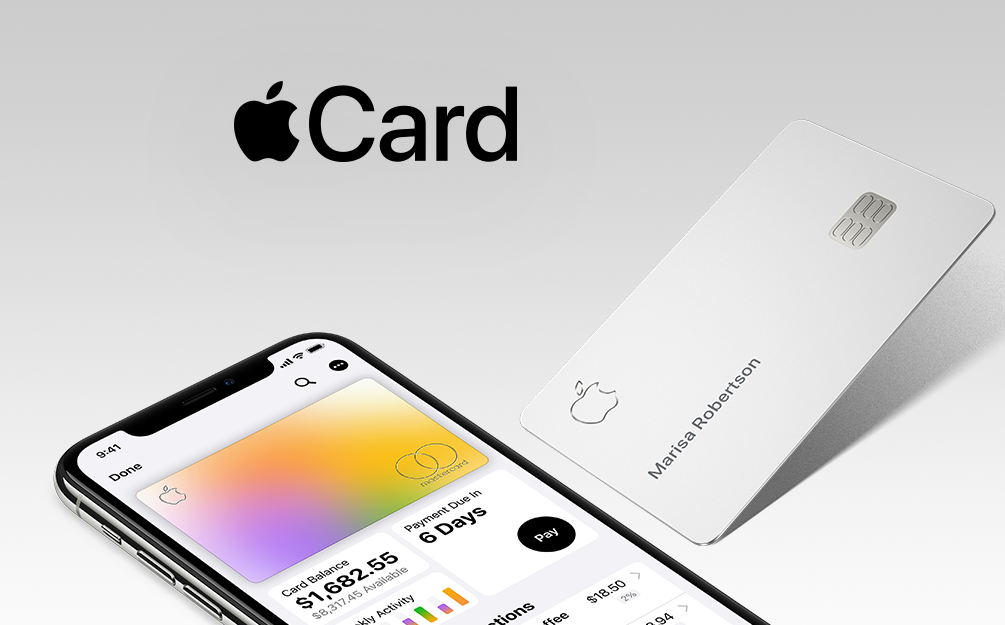
JPMorgan absorbs Apple’s credit card book
For Goldman Sachs, the sale represents the near-final unwinding of a strategy that once promised to diversify its revenues beyond investment banking and trading.
The Apple Card, launched in 2019, was emblematic of that ambition: a sleek, digitally native credit product requiring Goldman to build an entirely new consumer credit and servicing stack from scratch.
While the partnership delivered brand prestige, it also brought credit losses, regulatory scrutiny and thin economics.
The agreed sale—at an estimated $1bn discount to par—allows Goldman to release around $2.5bn in loan-loss reserves, giving its fourth-quarter earnings a material boost and reinforcing chief executive David Solomon’s retrenchment from consumer finance.
JPMorgan steps in — and scales up
For JPMorgan Chase, the deal is strategically coherent rather than opportunistic.
With roughly $235bn in card balances, the bank is already the second-largest player in the $1tn-plus US credit card market, trailing only Capital One.
Absorbing Apple’s portfolio further consolidates that position while adding a customer base deeply embedded in digital wallets and mobile commerce.
The acquisition will test operational patience: the migration is expected to take up to two years. Yet JPMorgan’s scale, underwriting discipline and servicing capabilities put it in a far stronger position than Goldman ever was to run a mass-market credit product at scale.
A delicate partnership between digital giants
The relationship dynamics may prove just as significant as the balance-sheet mechanics. Apple is famously exacting with partners, while JPMorgan chief executive Jamie Dimon has previously warned that the iPhone maker was “becoming a bank”.
Under Tim Cook, Apple has steadily layered payments, wallets, lending and now savings into its ecosystem—without holding a banking licence.
The agreement reportedly includes collaboration on an Apple-branded savings account, underlining Apple’s preference for controlling the customer interface while outsourcing regulatory and balance-sheet risk.
Broader implications for payments and Big Tech
The transaction highlights a broader truth for payments and financial services: scale, compliance and credit risk remain formidable barriers for technology companies, even those with Apple’s reach.
Banks with deep infrastructure still matter—but only if they can coexist with platform partners that increasingly resemble competitors.
Goldman’s earlier decision to move its General Motors card business to Barclays underscores the same lesson. In consumer payments, elegance of design must ultimately be matched by resilience of economics.



Comments