 trending











For decades, the concept of “primacy” — being a consumer’s main financial institution — was reserved for banks with physical branches and long-established trust.
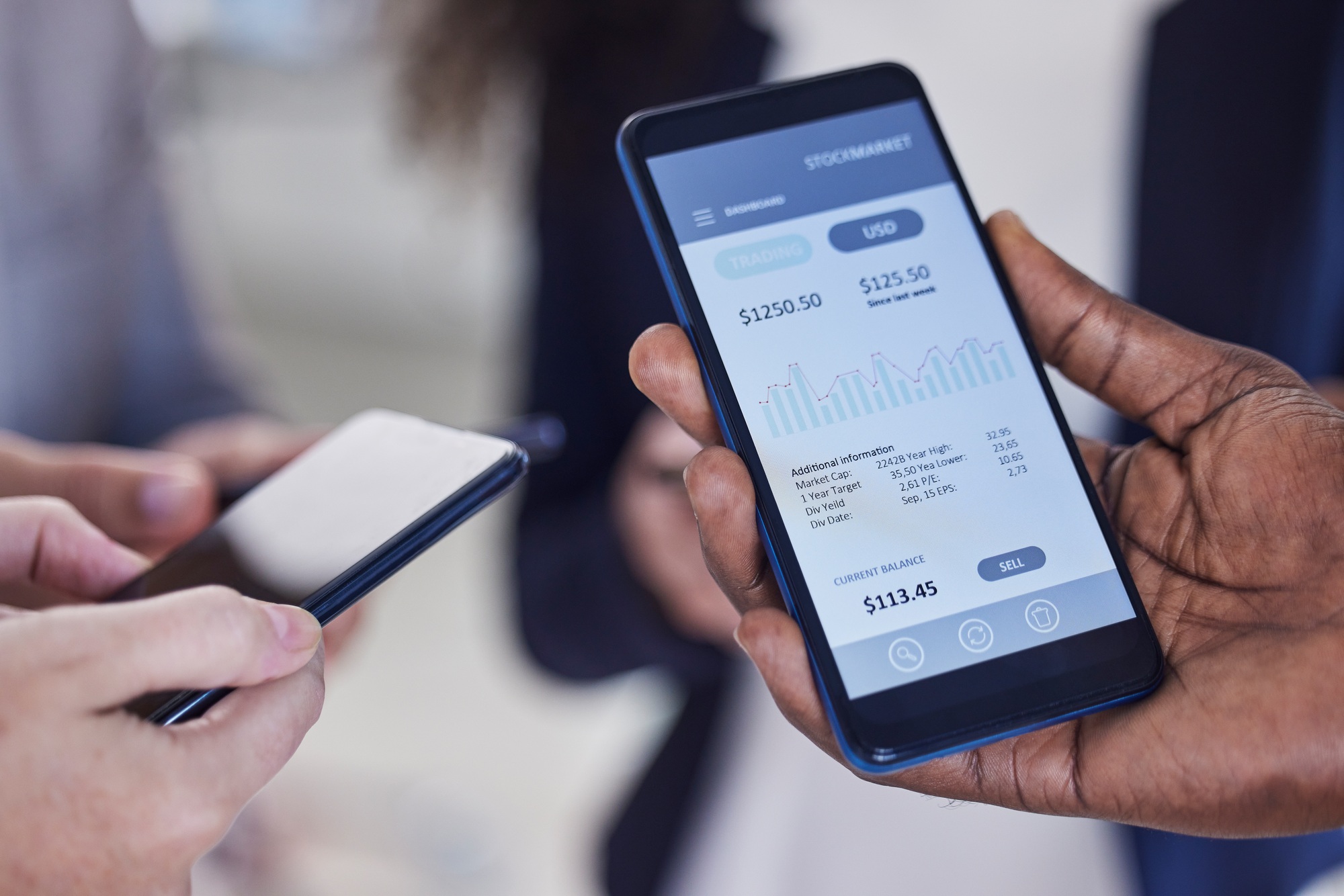
Fintechs winning the primacy battle
Today, that paradigm is under serious threat.
Fintech disruptors such as Robinhood, Revolut, N26, Chime, etc. are rapidly capturing the coveted status of primary financial relationship, not by replicating traditional banking models, but by radically reimagining them.
What once seemed improbable — a digital-only institution becoming the hub for day-to-day money management — is becoming reality.
New entrants are not merely acquiring customers or facilitating one-off transactions; they are embedding themselves at the centre of financial life.
Their secret?
Frictionless digital journeys, features that tap into behavioural psychology, and increasingly, the bundling of financial services into seamless, habitual user experiences.
Seamless Journeys, Real-Time Features
Central to this fintech ascent is their obsessive focus on user experience.
In contrast to legacy banking institutions burdened by technical debt and fragmented channels, fintechs are delivering intuitive, end-to-end interfaces that make managing money swift and stress-free.
From real-time payments to instant account opening, they eliminate legacy pain points — and, crucially, the need to ever visit a branch.
Take Robinhood’s recent expansion into cash management, including its cash delivery service for premium customers.
Or Chime’s popular early wage access feature, which enables users to receive their salary up to two days early — a compelling reason for customers to re-route direct deposits.
Recently Revolt also launched an MVNO so as to close off the entire service loop.
These aren’t just perks; they are structural incentives that form daily habits, tying users more closely to the platform.
Banking on Behaviour
Fintech success is increasingly tied to behavioural design.
Platforms like Acorns have leveraged the “small changes, big results” model by rounding up spare change into investments, creating a passive habit loop.
Cash App has bundled P2P payments, spending and investing into a single environment, eliminating the need for multiple apps.
These features deepen engagement and make switching less attractive.
In an era where subscription fatigue is rising, features like in-app subscription tracking and cancellation have also become highly valued.
In one recent survey, half of consumers said they would switch banks if offered these tools — a sign that consumers now expect their financial platforms to help them manage complexity, not add to it.
Embedded Finance Moves Centre Stage
The expansion of embedded finance has brought new competition to the PFI battleground.
Tech giants and retailers are no longer dabbling at the fringes.
Apple has turned the iPhone into a financial control centre through Apple Wallet’s savings and payments tools.
Walmart, leveraging its scale, is advancing its financial services play through One Finance — a digital platform integrating checking, saving, and credit functions.
These players may not hold banking licences in the traditional sense, but they possess what matters more in today’s market: reach, data, and consumer trust.
As regulators grow more comfortable with embedded models, non-banks are increasingly legitimate contenders for financial primacy.
Gen Z and the Future of Primacy
Perhaps the most powerful force propelling this shift is generational.
Younger consumers are digital-first by default. Nearly half of Gen Z respondents in a recent survey said they plan to switch financial providers in the next year.
They are more likely to prioritise usability, flexibility and transparency — qualities fintechs have spent years refining.
As these cohorts move into their peak financial years, the implications are profound.
The fintechs capturing primacy today are cementing relationships that could last decades — and redefining what it means to be a bank in the process.



Comments