 trending












Instalment payments are no longer confined to online checkouts or specialist buy now, pay later (BNPL) apps. They are increasingly becoming part of everyday banking, embedded directly into debit cards, mobile banking platforms and digital wallets.
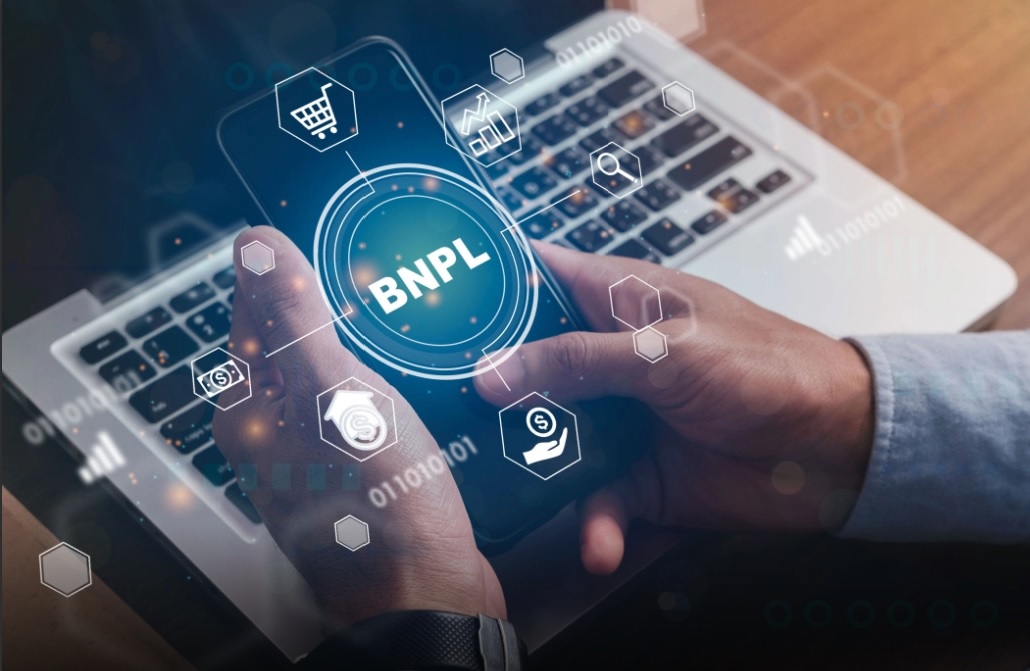
Debit cards move into instalments
What began as a retail financing innovation is now reshaping the competitive boundaries between banks and FinTech lenders.
Recent partnerships illustrate how quickly this convergence is accelerating. Core banking provider Fiserv has teamed up with Affirm to bring BNPL functionality directly into debit card programmes offered by banks and credit unions.
Under the model, consumers can use their existing debit cards at any accepting merchant and opt to split eligible purchases into instalments either before or after the transaction, with underwriting and funding handled in real time.
A similar dynamic is playing out in retail-led financial apps.
Walmart-backed OnePay has partnered with Klarna to enable post-purchase instalments on debit transactions within the OnePay app. The feature allows users to retrospectively convert completed purchases into fixed repayment plans, without altering the checkout experience.
When Banks Start Looking Like BNPL Providers
Traditional card issuers have not stood still as BNPL has grown. Many banks now offer “Pay in 3” or “Pay in 4” instalment options on both debit and credit cards, often triggered after settlement.
These post-purchase conversions mirror the core BNPL proposition: predictable repayments, clear end dates and, frequently, no interest.
Usage data suggests strong and widening adoption. Research shows tens of millions of US consumers already use card-based instalment plans, with particularly high take-up among younger demographics.
The result is a hybrid payments landscape in which consumers encounter near-identical instalment experiences, whether they start with a bank card or a standalone BNPL app.
Why Post-Purchase Instalments Matter
Post-purchase instalments differ from traditional checkout financing in one critical respect: they defer the payment decision.
Consumers can assess their finances days or weeks after a transaction and then decide whether to convert it into structured repayments.
That flexibility aligns closely with real-world household budgeting, where financial pressures often emerge after spending has occurred.
This matters because financial shocks remain common.
More than half of US consumers faced at least one large unexpected expense in the past year, and many lack sufficient liquidity to absorb costs exceeding $1,000 without stress.
Instalment conversions provide a form of short-term financial triage, helping households smooth timing gaps between income and obligations without immediately resorting to revolving credit.
A Shared Response to Consumer Demand
Debit-based instalments and credit card instalments are not identical, but both reflect the same underlying shift.
Consumers want clarity, control and predictability in how they repay everyday and emergency spending. Rather than a zero-sum battle, the convergence of banks and BNPL providers represents a shared response to those expectations.
As instalment logic becomes embedded across cards and banking apps, the distinction between “banking” and “BNPL” is steadily eroding. What remains constant is the central role of post-purchase flexibility in modern payments behaviour.





Comments