 trending











As Europe’s largest economy, what happens in Germany affects the rest of the continent. Perhaps conscious of this responsibility, Germans have historically taken a cautious attitude to how they pay, with a strong reliance on cash and reluctance to take on debt.
However, as debit cards and wallets take over, card issuers should be aware of the implications for their future strategy.
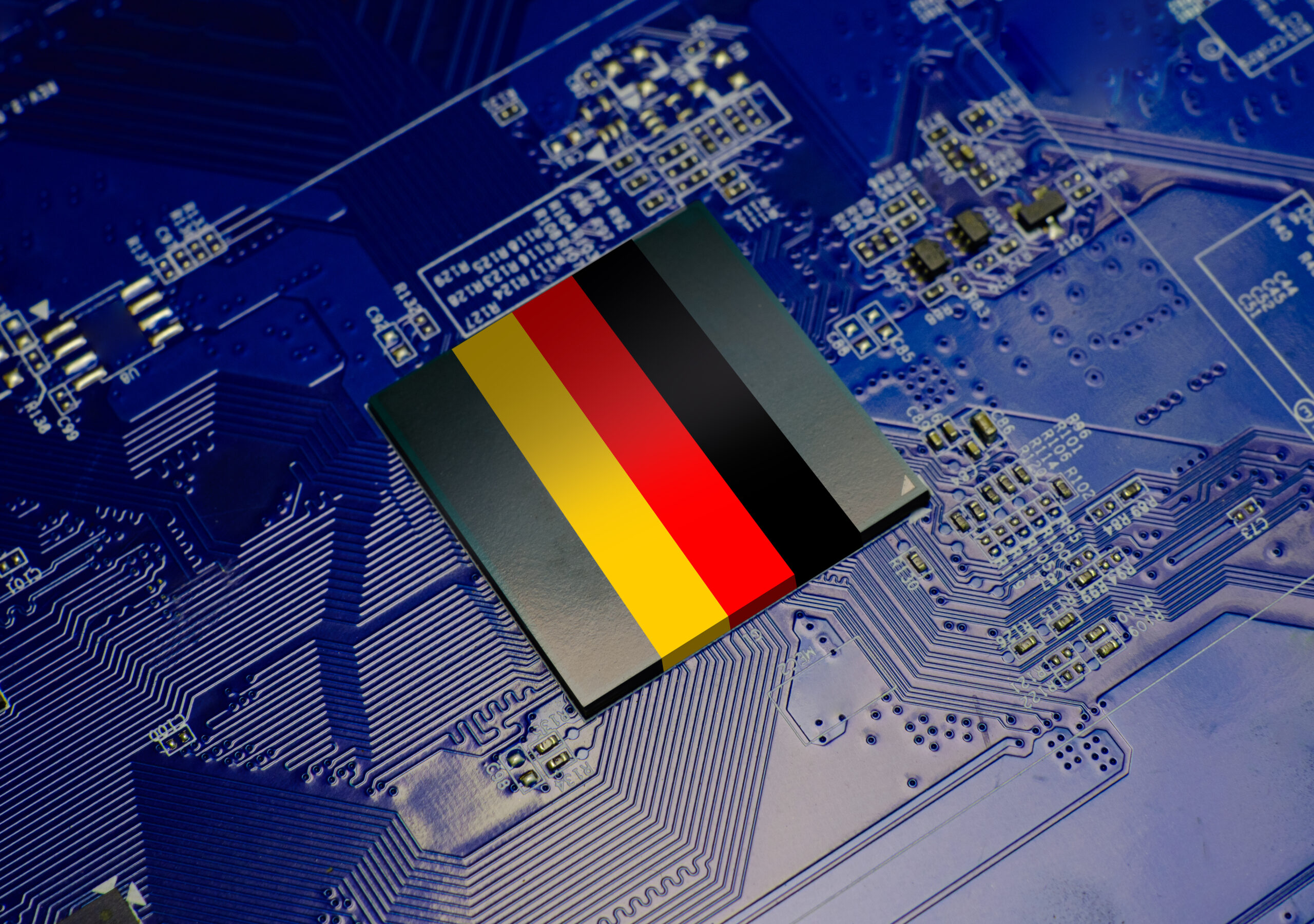
Contactless debit dominates Germany
The latest data shows the extent to which Germany has shifted to electronic payments from cash in recent years.
Despite the growth of digital payment methods – of which more below – traditional payment forms such as payment by invoice and direct debit remain popular, accounting for as much as 40% of e-commerce sales.
And while cash use remains significant, especially for small transactions, its share is steadily decreasing. In 2023, cash accounted for 51% percent of in-person transactions – down from 58% in 2021. Last year, cash accounted for 26% of transactions by value.
2023 was a milestone year for Germany’s card business, as it saw debit cards – chiefly Girocard, Germany’s market-leading debit solution – overtake cash in terms of expenditure volume (32% vs 26%) for the first time.
More broadly, payment cards continue to displace cash as Germany’s favoured way to pay – despite the growing presence of digital alternatives such as Account-to-Account (A2A) transactions, BNPL and others.
And while the full roll-out of the EPI’s WERO digital wallet – which enables P2P and Account-to-Account payments alongside a BNPL function and digital ID via a single app – may have significant impact on Germany’s payment landscape after its full introduction in late 2026.
To date it is clear that cards are now the country’s most widely-used payment method.
Cards still growing strong – online and in person
Over the last five years, card payments in Germany have experienced double-digit growth by almost any measure.
In 2024, each German payment card was used an average of 71.3 times, representing compound growth of 12.9% every year since 2019; likewise, the total number of card payments was up 17.3% year-on-year and hit 13 billion last year (2024).
Debit card spending via Girocard is especially popular, accounting for more than 80% of all German card spending.
Girocard is the most commonly-used debit card in Germany, with more than 100 million cards in circulation issued by almost all banks and accepted throughout the country both at ATMs and 1.132 million point-of-sale locations.
“Since 2019, card payments in Germany have experienced double-digit growth across all metrics.”
Last year, there were more than 10.8 billion debit card transactions, representing year-on-year growth of almost 20% since 2019.
One reason for the explosive popularity of debit might be the advent of contactless transactions at POS, which now account for over four in five of all point-of sale transactions.
In the online environment, cards are the payment method of choice for Germans who choose not to use invoicing or direct debit from bank accounts.
Online card payments have risen more than 20% every year to hit two billion transactions last year, following the milestone decision by Girocard to support e-commerce payments through an integration with Apple Pay in 2021.
Digital very much on-trend…
If the predominance of cash and cards make Germany sound somewhat staid, then that’s not to say digital alternatives aren’t emerging.
Buy Now, Pay Later (BNPL) has experienced strong growth, albeit not at the same levels seen in other European markets, with some experts projecting it could account for up to 10% of all retail payments by the end of next year.
Likewise, digital wallets are being used for almost one in three (28.5%) of all online transactions, while mobile devices were used for transactions worth $138.8 billion in stores.
As mentioned above, next year’s full introduction of WERO from the European Payments Initiative (EPI) is projected to drive further growth in digital wallet transactions.
In response, Worldline enabled online merchants in Germany with the capacity to accept this payment method from June 2025.
What it means for issuers
These trends imply that card issuers operating in Germany should continue to innovate in the card space – especially when it comes to debit products, which are the fastest-growing payment method in Germany.
Issuers should also be aware of competitors for their card business from non-bank entities.
Looking ahead, we can expect fast-rising fraud attempts to increase the pressure on governments and banks to introduce digital ID solutions, while digital wallets such as WERO will begin to make their presence felt from 2026 onwards.
As a partner helping banks and fintechs to continue their leadership in the card industry, Worldline offers services across the card value chain, from issuing to card management, processing and fraud protection, enabling issuers to manage the entire value chain on one platform.
Worldline’s card issuing services include prepaid cards, debit and credit cards, commercial cards, digital and virtual issuing, plus card tokenisation services as part of a suite of next-level fraud protections which includes industry-leading 3DS security and full compliance with the latest Strong Customer Authentication (SCA) standards.
Worldline supports its client issuers with a comprehensive suite of value-added services, including card activation, full compliance with scheme rules, a rich API catalogue, instalment payments and BNPL.
The company’s deep experience across Europe enables issuers to get products to market rapidly, with pricing that’s easy to understand and leverages the economies of scale available to one of Europe’s largest card services companies.
To learn more about partnering with Worldline for card issuing services CLICK HERE

Comments