 trending






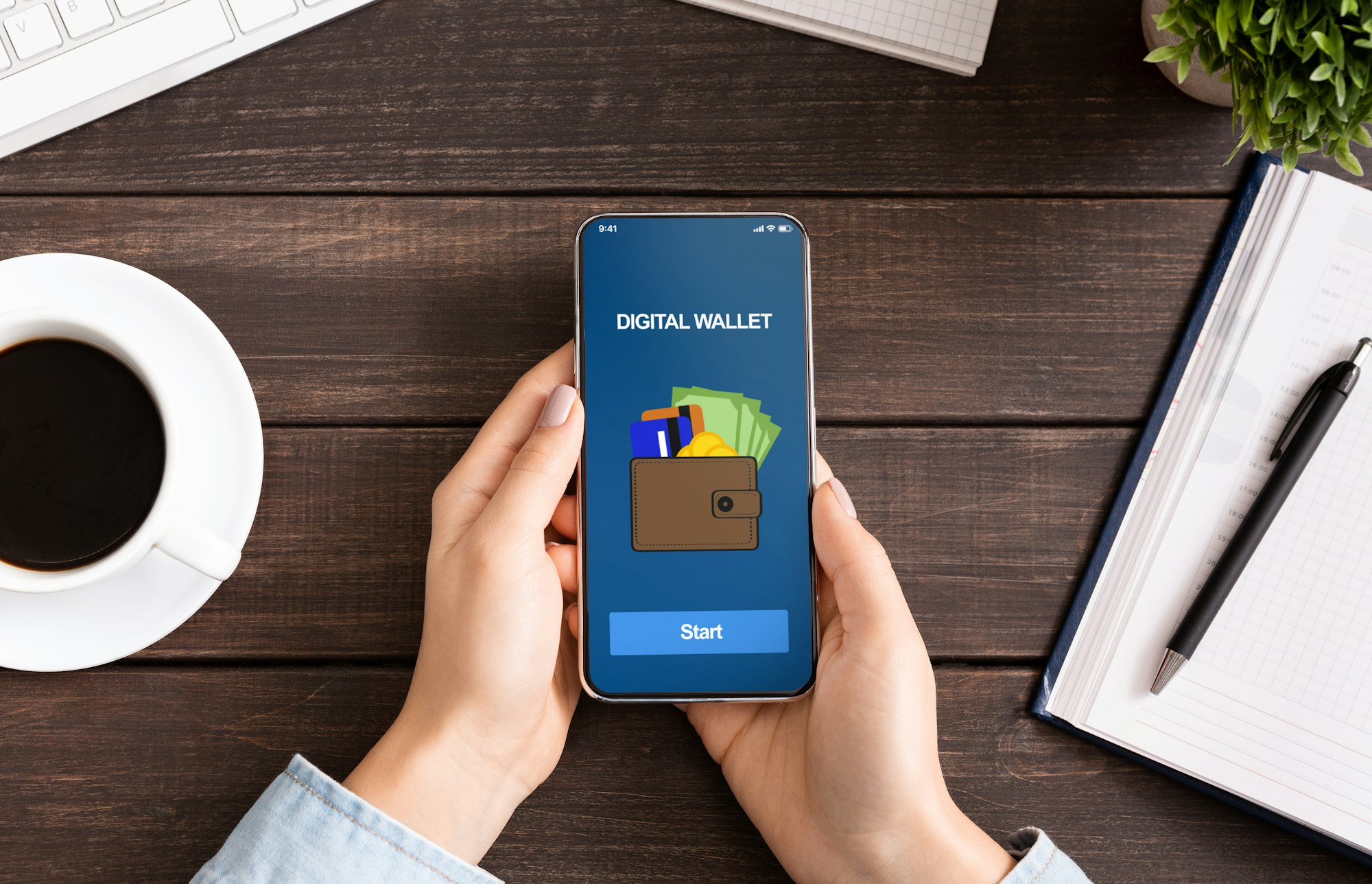
Digital wallets have emerged as the fastest-growing payment method in Brazilian e-commerce, overtaking every major alternative as adoption accelerates among younger consumers and previously underbanked populations.
Brazilian sees surge in digital wallets
According to an analysis by EBANX based on Payments and Commerce Market Intelligence (PCMI) data, digital wallet usage in Brazilian online commerce rose 20 per cent year on year between 2024 and 2025.
That pace of growth outstripped even Pix, the country’s flagship instant payments network, which expanded by 18 per cent over the same period.
Wallets overtake bank slips in e-commerce
The rapid expansion has propelled digital wallets past traditional bank slips to become the third most widely used payment method in Brazilian e-commerce.
Wallets now account for 9 per cent of total online transaction value, behind Pix at 42 per cent and credit cards at 41 per cent.
EBANX forecasts that wallet adoption will continue to grow at a compound annual rate of 13 per cent through 2028, underlining their increasingly structural role in the payments landscape rather than a short-term trend.
Market share data highlights the dominance of home-grown platforms.
Mercado Pago, launched in 2004, controls around 40 per cent of digital wallet transaction value in Brazilian e-commerce and serves more than 72 million users across Latin America.
NuPay, introduced in 2022, has expanded rapidly through integration with Nubank, which now counts over 100 million customers.
Beyond payments: a super-app model
Unlike many global wallets that function primarily as checkout tools, Brazilian digital wallets increasingly operate as multi-functional financial platforms.
They combine low-cost accounts with instant payments, instalments, recurring billing, loyalty programmes, savings and credit products, often exceeding the feature set of traditional banks.
This breadth of functionality has been critical to scale. Turning the smartphone into a fully fledged wallet has allowed providers to ride Brazil’s high mobile penetration.
Data from GSMA shows that 88 per cent of Brazilians already own a smartphone, a figure expected to reach 95 per cent by 2030.
By comparison, credit cards are used by roughly 70 per cent of the population, according to the Central Bank of Brazil.
Driving growth for digital merchants
As with Pix, digital wallets have become an important gateway into e-commerce for millions of consumers.
However, their embedded credit and instalment features give them a distinct advantage for higher-value purchases.
EBANX data illustrates the commercial impact.
A global travel company operating in Brazil recorded a 47 per cent increase in average daily revenue within six months of adding digital wallets, which later became the dominant payment method across its Latin American operations.
Subscription-based sectors — including streaming, gaming and software-as-a-service — are also benefiting, as wallets enable recurring payments without requiring a credit card.
Together, these dynamics position digital wallets as one of the most influential forces shaping the future of Brazilian digital commerce.


Comments