 trending










Credit cards, and to a lesser extent, debit cards, have been used for online card payments for several years. But as technology is evolving, innovative new payment methods are emerging, making it easier to spend money without the need for a physical card.
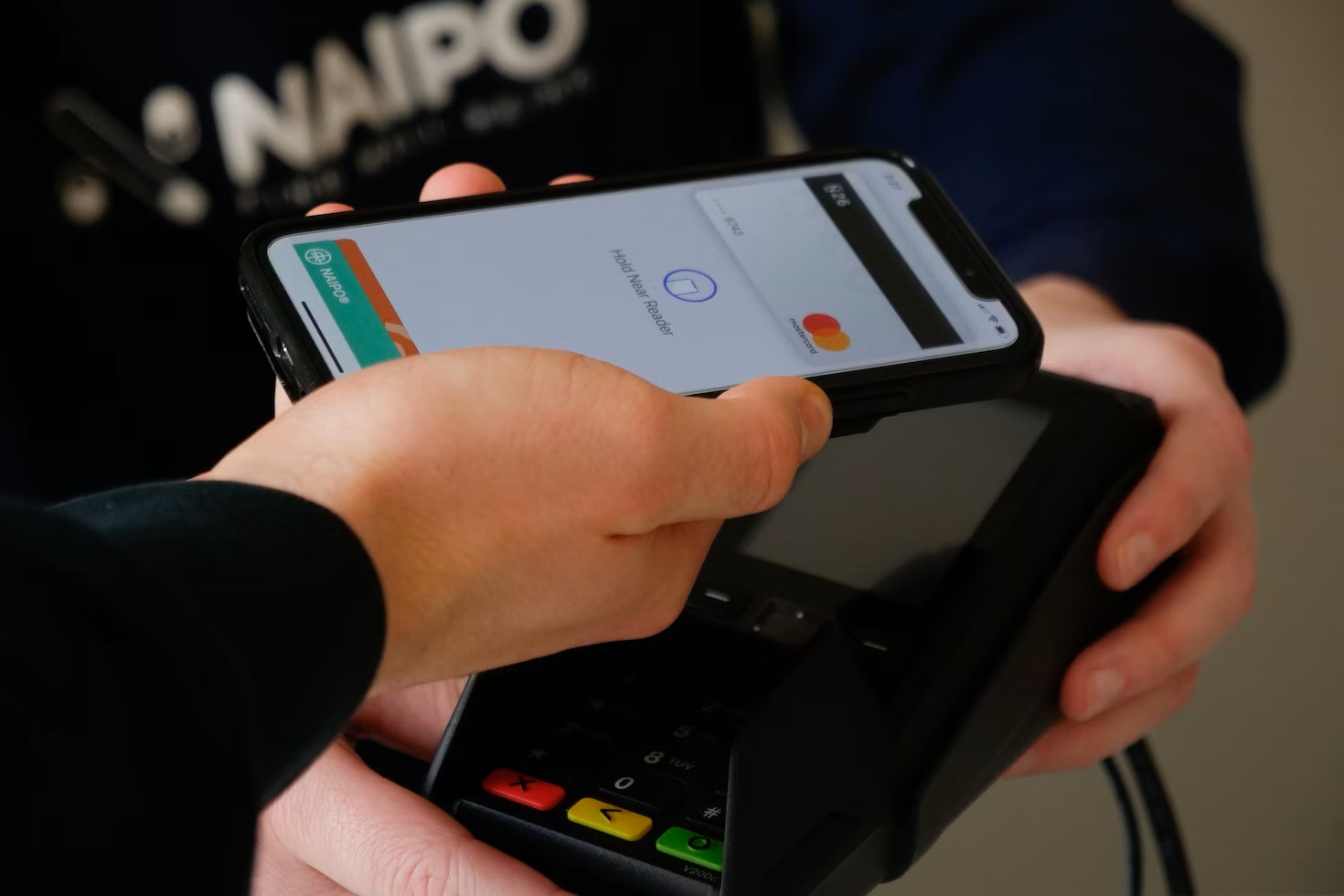
Are we seeing the decline of online card payments?
So, are online card use declining? Although digital payment options are growing in popularity, traditional card payments are still widely used and the preferred payment method of many.
That is because of the many advantages that card payments offer, as well as the familiarity of using your card to complete a purchase.
Cards are not obsolete by any means; they’re being integrated into newer, more secure digital platforms to meet changing consumer needs.
The Pros And Cons Of Online Card Transactions
Credit cards are commonly used for online payments and purchases. These cards allow users to spend money up to a specific credit limit, whereafter the account has to be paid off by a certain time. The merchant immediately receives the funds.
Debit card payments withdraw the money from the user’s account in real time, whereafter the retailer receives it.
These two bank cards are easy to use for online payments, as long as the merchant is set up to receive card payments. They offer many advantages to users, which is why they’re still so popular today. However, there are also some downsides, which have pushed many consumers to consider alternative payment methods.
Pros
The advantages of using cards for online payments and purchases include:
- Credit cards allow users to build a positive credit history, which can be beneficial for large purchases in the future.
- Card payments are accepted internationally by almost all retailers and service providers. Most industries accept cards, from entertainment to travel to finance to health. For example, cards can be used just as easily to play slot games for real money at any of the top online casinos as they can to book a hotel room in a different country. In fact, using it for the former may even provide you with additional casino bonuses for using your card to make a deposit.
- Debit cards prevent excess spending since only the amount in the account can be spent.
- Card payments are convenient and quick, especially if card details are saved for future purchases.
- Credit cards allow buyers to spread out the cost of large purchases by paying them off in instalments.
- Buying items online using a card may allow the shopper to earn rewards that can be redeemed in the future.
- Using credit cards for online shopping is safe since banks offer fraud protection for card transactions. Cards can be stopped or payments reversed for fraudulent charges.
- Can also be used for offline transactions.
- Credit card payments can be used to complete international purchases.
Cons
Unfortunately, there are also downsides to using bank cards for online payments, which is why an increasing number of consumers are considering alternative payment methods:
- Credit cards can potentially result in unpayable debt if too many purchases are made.
- Merchants charge high processing fees, which makes purchases more expensive than using other methods.
- Unpaid credit balances receive high interest.
- Debit accounts charge overdraft fees if you accidentally spend more than what is in your account.
- If you have too many lines of credit, your credit score can be harmed, and you will struggle to be approved for loans in the future.
- Credit cards can potentially
Alternative Online Payment Methods
Although online card payments are not obsolete, many alternative methods have been developed as new technologies emerge. These payment options often offer benefits that can’t be matched by cards when used online.
Cryptocurrency
Cryptocurrency is increasingly being adopted for mainstream use, and more online retailers are coming on board to accept crypto payments. For those merchants who don’t yet directly accept cryptocurrencies, consumers can often use crypto to purchase gift cards which can then be redeemed online for products or services.
The benefits of cryptocurrencies are plentiful. Cryptos operate via the blockchain, which features a public ledger where all transactions are recorded. Blockchain technology is decentralized, meaning it operates outside of government oversight. Many consider it to be more secure than traditional payment systems, and the decentralized nature also makes crypto transactions more private.
However, there is a downside to cryptocurrency. These digital currencies are highly volatile, with values fluctuating significantly over the course of a few days. This deters some merchants from accepting crypto payments. However, the rise of stablecoins backed by fiat currencies is changing the system.
Crypto also doesn’t have the same established payment infrastructure as bank cards, although this is also starting to change.
Bank Transfers
Digital bank transfers have been around for many years and remain a popular online payment option. Most online shops still accept these payments as they’re convenient and secure, and consumers are also familiar with account-to-account transfers.
Bank transfers are mostly used for large payments, like purchasing a car or a down payment on a house.
Mobile Wallets
Digital payments include mobile and digital wallets. These include Google Pay, Apple Pay, and Samsung Pay. Mobile wallets are especially popular with younger shoppers, with 51% of Gen Z in the US reporting using mobile wallets almost every day. Digital wallets are favoured for their convenience as well as their security features, like encryption and tokenization.
The latter means that each time the wallet is used, a random token number is generated and sent to the merchant to complete the payment. The account details linked to the wallet are never directly shared.
Mobile wallets operate on smartphones, smartwatches, and tablets, making them incredibly convenient since no additional cards have to be carried. These wallets can also be used offline at tap-to-pay facilities.
Payment Apps
Peer-to-peer payment apps are also being increasingly used by the younger generation. These apps include Cash App, Zelle, and Venmo. They’re perfect for everyday transactions, paying bills, and even paying friends.
These apps are accepted by most US online stores and are becoming increasingly popular with shoppers. They’re directly linked to bank accounts, offering many of the same benefits of debit cards.
Buy Now, Pay Later (BNPL)
Buy Now, Pay Later (BNPL) takes the general idea of a credit card, where you spend money you don’t currently have, and updates it to modern customer preferences.
It allows customers to buy on credit, without an actual credit card. The merchant, or an external BNPL company, loans the money to the shopper, who then repays the loan in instalments. Oftentimes, there is no interest on these repayments, but that’s up to the discretion of the person providing the loan.
Payment Preferences In The US
Payment preferences differ across the world; however, in the US, cards remain dominant, both for online and offline transactions, with debit and credit cards accounting for 35% and 30% of consumer payments in 2024.
Digital wallets are also incredibly popular, especially for online transactions. It is expected that 52% of online payments will be done with mobile wallets by 2027. This goes along with a growing adoption of digital payments in-store as more merchants update their point-of-sale systems to be compatible with mobile options.
Final Thoughts: The Future Of Card Payments
Although mobile wallets, cryptocurrencies, and other digital payment methods offer many benefits in terms of convenience and security, card payments still dominate online purchases, in part due to their global acceptance.
Although alternative methods offer strong security and transparency, bank cards are still here to stay. This is due to their fraud protection, familiarity, and their ability to be used offline at most establishments, even if there’s no WiFi.





Comments