 trending











A deepening policy rift has emerged between the US and Europe over the role of stablecoins in the global financial system, exposing contrasting philosophies about monetary sovereignty, innovation and the risk calculus of digital assets.
Nowhere was this divergence more vivid than at the recent Sibos conference in Frankfurt, where senior central bankers offered competing visions of how far — and how fast — the public sector should embrace privately issued digital money.
Washington’s Full-Throttle Embrace
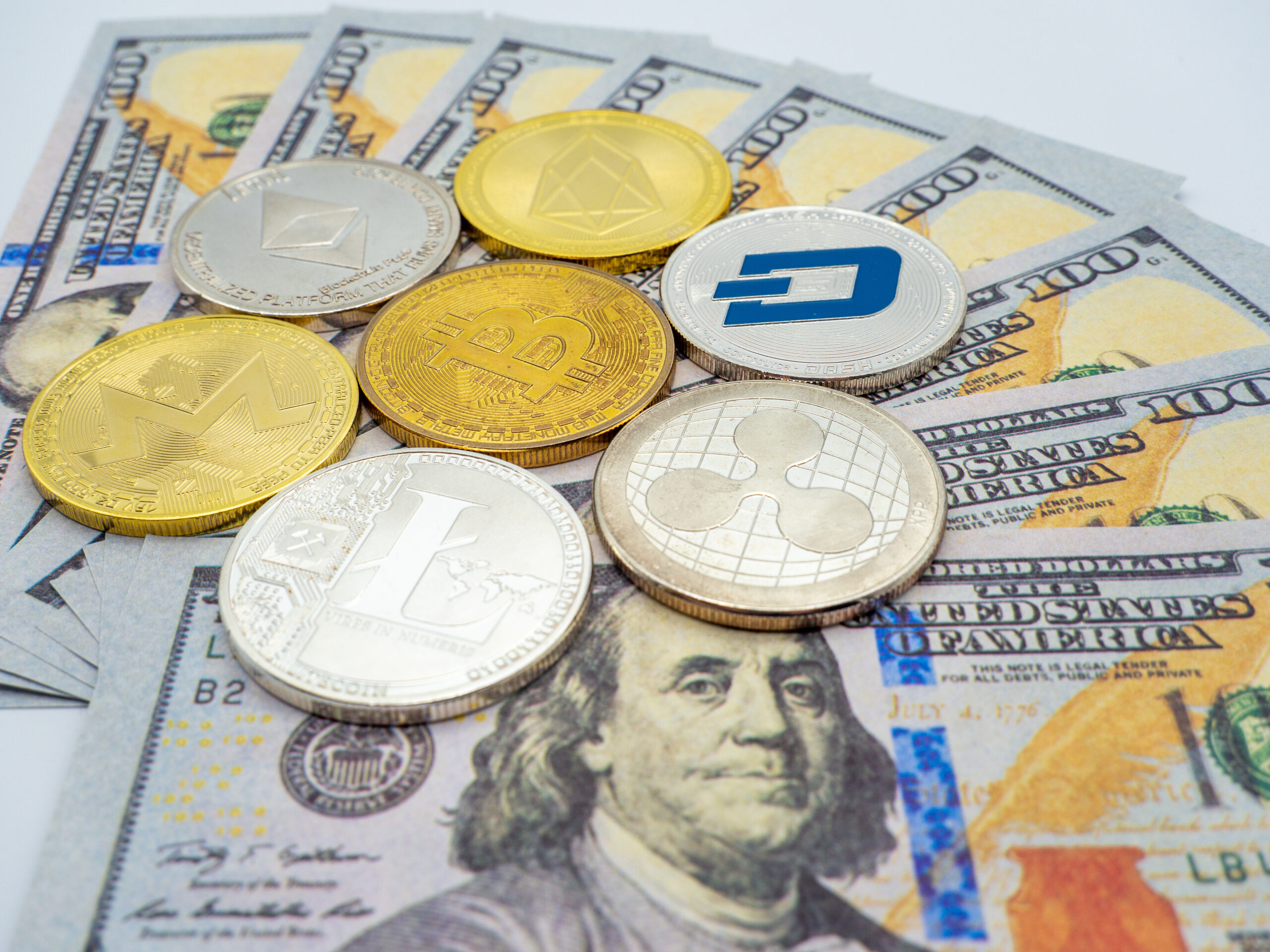
Transatlantic divide widens over stablecoins
In the US, the political and regulatory momentum behind stablecoins has accelerated sharply.
Federal Reserve governor Christopher Waller delivered one of his clearest endorsements yet, casting stablecoins as a natural extension of America’s tradition of private money.
If consumers and businesses find them cheaper or more convenient, he argued, “I am all for it.” His remarks align neatly with the Trump administration’s push — under the recently enacted Genius Act — to mainstream dollar-backed tokens.
Waller framed stablecoins as both a catalyst for payments innovation and a strategic asset, particularly for countries with limited access to US banking services.
That international reach is precisely why the US Treasury sees promise: stablecoins must be fully backed, typically by short-term Treasuries, making them a new channel of demand for US public debt.
He dismissed European concerns about monetary leakage, arguing that private forms of money have long coexisted with central bank liabilities without eroding policy control.
Europe’s Defensive Posture
On the other side of the Atlantic, caution continues to dominate.
Bundesbank president Joachim Nagel warned that “many things could go wrong,” highlighting liquidity risks, distorted issuer incentives and the spectre of bank-run dynamics.
The ECB’s stance is anchored in strategic anxiety: if dollar stablecoins became widely used in the euro area, policymakers fear they could dilute the euro’s international standing and weaken the ECB’s ability to steer monetary conditions.
This defensive reflex extends beyond stablecoins themselves.
ECB executive board member Piero Cipollone reiterated that Europe’s payments infrastructure — increasingly reliant on non-European firms — requires a sovereign digital euro to ensure monetary autonomy “not just in physical form, but also digitally”.
The UK Carves Out a Middle Path — With Limits
The Bank of England is attempting something more nuanced: enabling innovation while hard-wiring guardrails.
Responding to industry pushback, the BoE has softened some of its earlier proposals, allowing systemic stablecoins to hold up to 60 per cent — and during transition, 95 per cent — of reserves in short-term government debt rather than non-interest-bearing central bank deposits.
Yet industry voices argue the UK still risks ceding ground to the US.
Ownership caps — including a £20,000 limit for individuals — remain contentious, even with carve-outs for certain businesses. Critics warn these constraints could stifle scale just as global competition intensifies.
A Fragmenting Global Landscape
With the US racing ahead, Europe building defensive institutions, and the UK striking compromises that satisfy no one fully, the global regulatory landscape for stablecoins is fracturing.
For payment providers and issuers, the challenge will be navigating an environment where geopolitics matters as much as technology — and where digital money is fast becoming a litmus test for monetary influence in the 21st century.






Comments