 trending









Mastercard has launched a new platform with BVNK that brings fiat currencies and stablecoins together through a single API, marking the first major integration since Mastercard acquired the stablecoin infrastructure provider earlier this year.
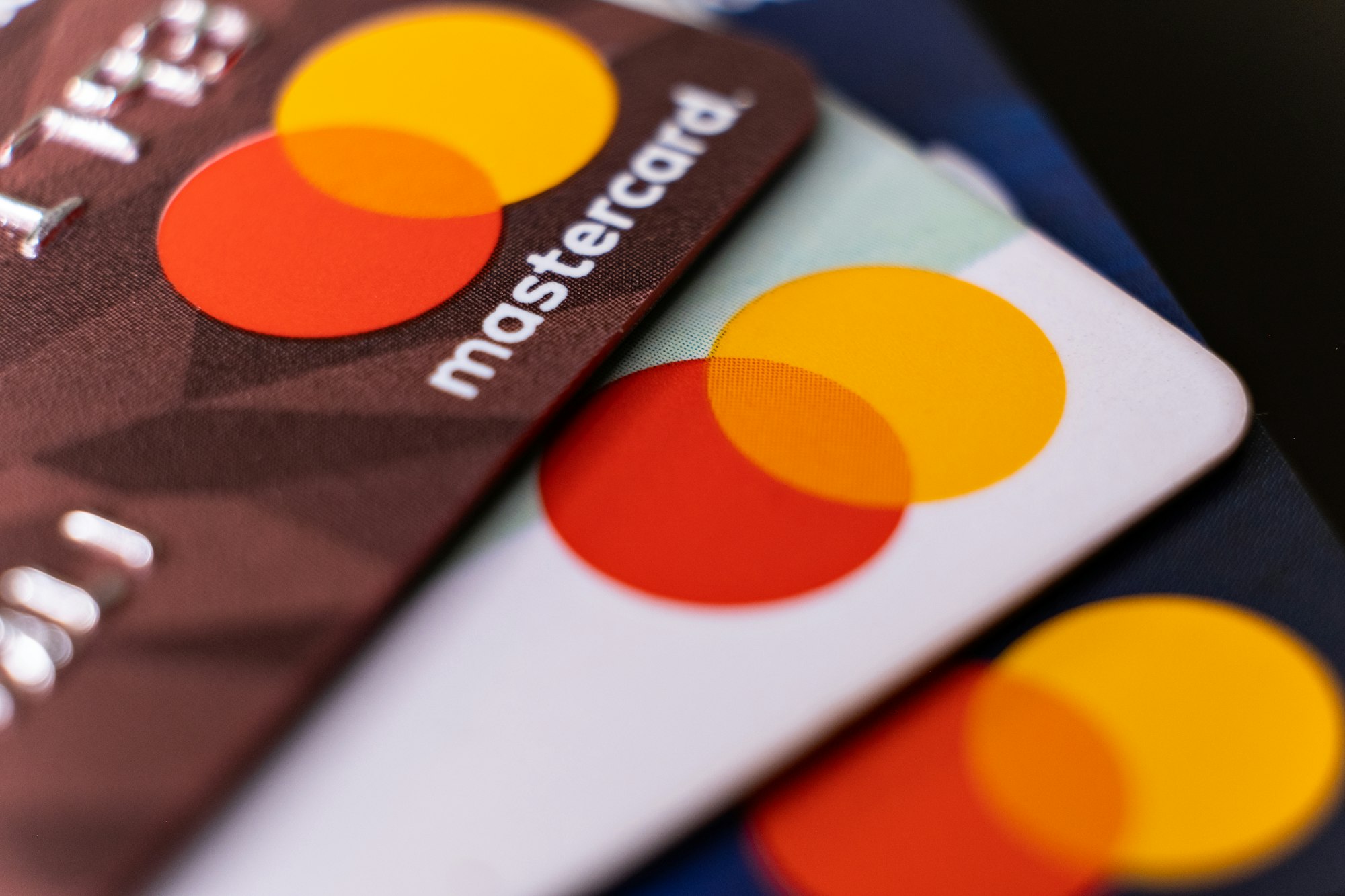
Mastercard and BVNK Launch Platform
The new Global Money Platform is designed for banks, fintechs and enterprises that want to embed multi-currency accounts, real-time conversion, stablecoin-linked cards and local bank payouts into their own products.
At its core is a global money account that allows fiat and stablecoins to sit side by side, giving users one environment in which to hold, convert and move funds.
One Infrastructure Layer for Multiple Forms of Money
The strategic pitch is simplification.
Rather than integrating separate providers for wallets, stablecoin conversion, local payouts and card issuance, customers can use a modular platform spanning send, receive, convert, store and spend.
The service is available through BVNK and also connects to Mastercard Move, allowing users to convert stablecoin balances into local currency and send funds directly to recipients’ bank accounts.
Coverage is expected to expand to more than 40 currencies across more than 200 countries and territories during 2027.
Global Money Platform customers will also be able to spend stablecoin balances across Mastercard’s acceptance network, with card issuing available in more than 130 countries.
Stablecoins Move Into Mainstream Financial Workflows
The launch reflects a broader shift in the stablecoin market.
The competitive battleground is moving away from token issuance alone and towards infrastructure that makes digital money usable inside existing financial products.
Mastercard and BVNK are targeting that layer directly.
For a multinational business, the potential attraction is straightforward: instead of managing separate accounts, pre-funded balances and vendors across markets, treasury teams could use a single platform to manage liquidity across both conventional and digital currencies.
Early integrators include Nuvei, Marqeta, Ontop, Bolt Group and Almond FinTech.
Mastercard Builds Towards a Multi-Money Model
The platform also points beyond stablecoins.
Mastercard says it is designed to support additional regulated forms of money, including tokenised deposits, as well as future use cases such as agentic commerce.
That makes the BVNK acquisition strategically significant. Mastercard is effectively adding a programmable digital-money layer to its existing global payments and acceptance infrastructure.
For banks and fintechs, the key value may be less about choosing between fiat and stablecoins and more about being able to use both through one operating model.
The direction of travel is clear: stablecoins are being absorbed into mainstream payments infrastructure, and the winners may be the providers that make different forms of money interoperable, invisible and easy to use.



Comments