 trending










Mobile payments continue to reshape how consumers interact with digital services, and nowhere is this shift more evident than in the UK’s burgeoning sports betting market.
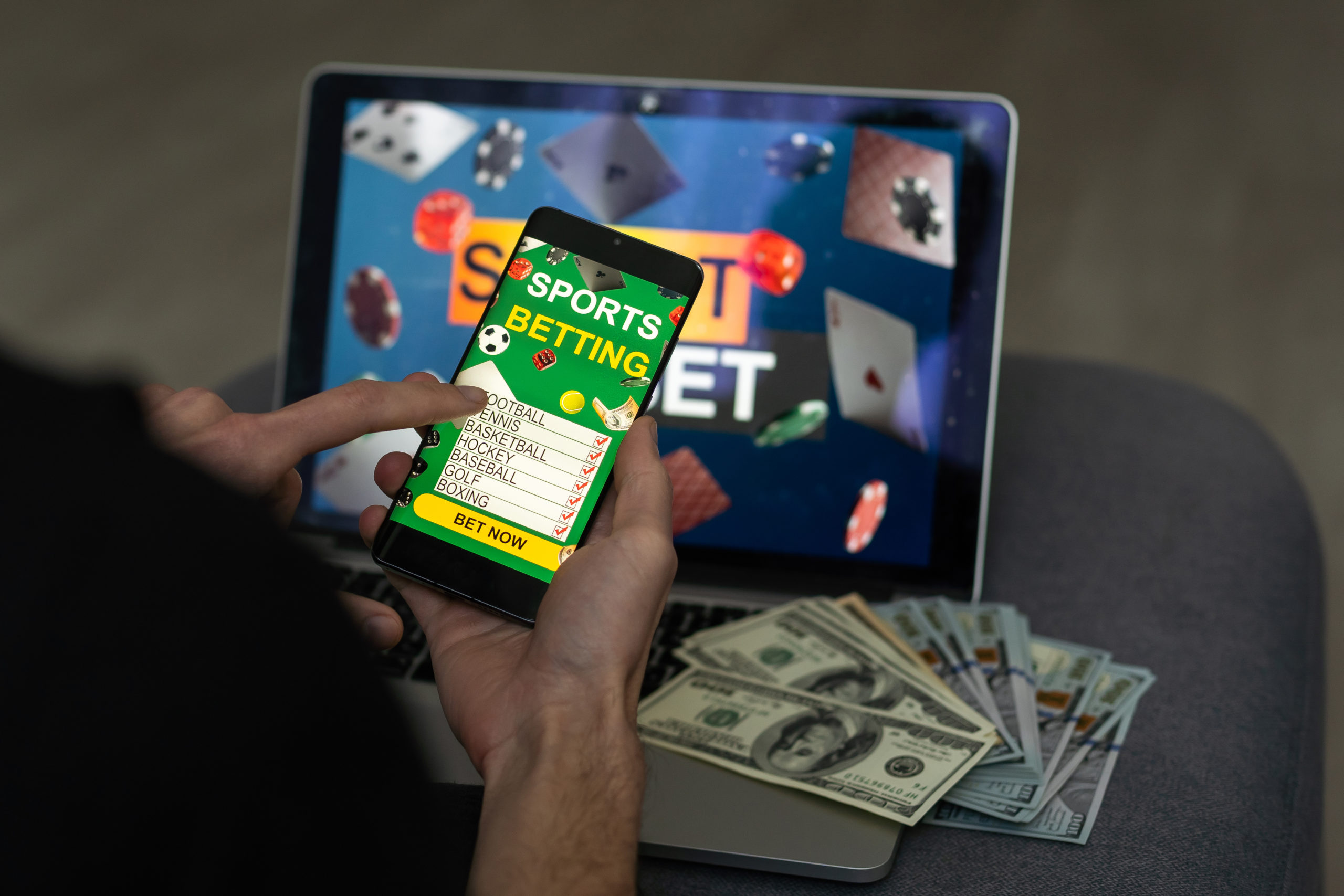
Mobile payments are on the rise
As in-play wagering grows in popularity, the payment experience has become as critical as the odds themselves.
For UK sports bettors, the rise of mobile payments, and specifically Pay by Mobile phone bill options, reflects a broader demand for frictionless, secure, and context-aware ways to fund bets in real time.
This trend has been driven by convenience, evolving device behaviour, and improvements in mobile network-linked payment infrastructure.
When you are sitting on the bleachers, you don’t want to start typing in card numbers, you want to place your stake and get back to the action.
This simple dynamic underpins a broader evolution in how wagering platforms and payment providers approach checkout experiences.
Convenience as Competitive Advantage
Mobile payments have long been touted for convenience, but in the context of live sports betting, speed is paramount.
With traditional card payments or bank transfers, users may have to go through multiple steps, such as entering card details, confirming identity, and waiting for authorisation.
In contrast, Pay by Mobile phone bill payments allow bettors to charge transaction amounts directly to their monthly mobile bill or prepaid credit.
This makes things easier, as there is minimal form-filling, no need to recall long card numbers, and an overall reduction in cognitive load at the point of decision. This convenience directly aligns with consumer expectations shaped by broader digital commerce trends.
Research across payment markets shows that users prefer methods requiring fewer clicks and less input, particularly on small screens.
For live bettors, the ability to tap once, enter a short code, and wager instantly enhances engagement and reduces abandonment.
The technology meets users at the moment of intent, rather than interrupting it.
For those wanting to see which UK sportsbooks support this option, comparison sites like Bojoko and OLBG offer clear overviews, with Bojoko’s page for bet with phone bill betting sites listing the licensed operators that provide it.
Security and Trust in Mobile Payment Rails
Security sits at the heart of all online payment innovation. For UK sports bettors, concerns about fraud, data exposure, and unauthorised transactions are ever-present.
Payment providers have responded by integrating stronger authentication and risk-based controls into mobile payment flows.
In the case of Pay by Mobile, the reliance on mobile network operator (MNO) validation adds a layer of identity assurance that differs from traditional card verification.
Unlike entering lengthy card details in a browser, mobile-centric options use device-based checks familiar to users, such as one-touch confirmations and network-level authentication.
These mechanisms reduce the window for interception and minimise the exposure of sensitive financial data.
Moreover, many platforms incorporate additional fraud detection layers, including behavioural and transaction pattern analysis, which further protect bettors and operators alike.
The combination of convenience and robust security infrastructure has contributed to consumer confidence in mobile-enabled payment methods, a critical factor as bettors increasingly shift funds digitally rather than through cash or card.
Adoption Drivers in the UK Betting Market
The UK’s regulatory ecosystem has also played a role in accelerating mobile payment adoption. With stringent requirements around Know Your Customer (KYC) and anti-money laundering (AML) measures, operators have sought payment methods that both satisfy compliance and preserve user experience.
Mobile-linked payments, which tie transactions to verified mobile identities, help streamline onboarding and reduce friction.
Beyond compliance, operator economics favour mobile-centric options. Lower operational costs, reduced chargeback risk, and faster settlement cycles make Pay by Mobile attractive for betting firms scaling in highly competitive environments.
These efficiencies can be passed on in the form of better odds or promotional offers, creating a virtuous cycle of customer uptake.
Furthermore, the ubiquity of smartphones in the UK means that mobile payment experiences are no longer niche.
For a generation accustomed to mobile banking, app-based wallets, and instant transfers, the expectation of an effortless funding experience is now table stakes.
Looking Ahead: Integration and Innovation
As the intersection of payments and wagering deepens, we can expect continued innovation around mobile billing options and adjacent technologies.
Open Banking, tokenisation, and seamless identity verification are likely to enhance the robustness and usability of mobile payment rails.
These developments will further blur the distinction between the act of betting and the act of paying, creating an almost invisible flow from decision to transaction.
For UK sports bettors, this evolution underscores a broader shift in digital behaviour: transactions occur where attention is, and every second of delay matters.
Mobile payments, and specifically Pay by Mobile phone bill solutions, have emerged not simply as a convenience but as an enabler of real-time engagement and secure wagering in a fast-paced market environment.



Comments