 trending









Think about your smartphone. Now imagine it’s not just a digital wallet, but the entire checkout counter. No big machines to buy, no setup headaches. Just tap your phone, pay, and walk away.
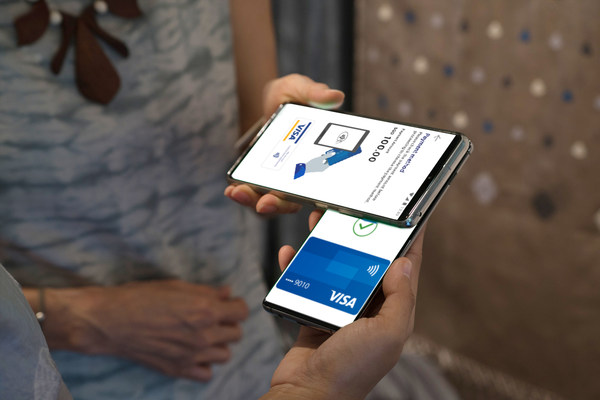
Tap-to-Pay: Can smartphones replace POS
That’s Tap-to-Pay on Phone, or Tap-to-Phone for short. It’s been catching on more and more, especially as tap payments became super popular after COVID.
But here’s the big question people in payments keep asking: by 2026, could our phones actually push aside those traditional checkout terminals we’ve always used?
It sounds exciting. But the truth is, it’s more complicated than that. Let’s take a closer look at how this might work.
What Exactly Is Tap-to-Phone?
Tap-to-Phone turns NFC smartphones into payment terminals. Merchants download an app, connect it to their payment setup, and can take contactless card or digital wallet payments. No special equipment needed. It’s secure, using standard payment system protections.
Since Visa and Mastercard gave it support in 2023, Tap-to-Phone has grown fast. By mid-2025, global transactions topped $500 billion annually. Small firms like it because it’s cheap to get going.
Street performers or pop-up shops can start taking payments for less than $100, unlike old systems that cost thousands. But can bigger firms use it? That’s where things get interesting.
The Contactless Boom: Why Now?
Contactless payments have been around for over a decade. The big shift happened during the pandemic. In 2020, their use grew a lot. Now, these payments are normal. Most in-person payments in cities are contactless.
Tap-to-Phone works well with this trend. It’s easy for people who use their phones for everything. You just use your phone, and the payment is done quickly. No need to worry about wires or batteries. For stores, it saves money. Old payment systems can be expensive. Tap-to-Phone is often free to start, with a small fee for each payment, which is like other systems, but without the need to buy equipment.
Advantages That Could Tip the Scales
Now, let’s examine the advantages. These benefits could change how businesses handle their daily operations.
Lightning-Fast Transactions
Quick transactions, usually under two seconds, can cut down waiting times, especially in busy places such as stadiums. According to a 2024 Deloitte Study, using this method could make merchants 15-20% more productive. This speed is helpful where people dislike delays.
For example, gaming places need fast service, just as gamers want platforms that transfer money quickly. Casinos with instant payouts highlight this trend in online spaces, where withdrawal times are shrinking to minutes through mobile-optimized systems that often bypass lengthy verification for seamless access.
These systems focus on low costs, automated actions, and work on many devices. They are like Tap-to-Phone, which solves the need for quick transactions in stores without old-fashioned hardware limits.
Portability Unleashed
Traditional point-of-sale systems are like anchors. They keep you tied down to one spot. That’s okay for a regular shop, but what about when you’re selling at a market or event? It’s frustrating. Tap-to-Phone changes all that. You become completely mobile.
Imagine a food truck owner who goes to different festivals every weekend. No more dragging heavy gear around. Your payment system fits in your pocket. It’s that simple.
Seamless Integration
The best part? It connects easily with what you already have. Apps from Stripe, Square, and Adyen make it work with your existing inventory or CRM tools. There’s no big learning curve to worry about. You just sync it and start using it right away.
Eco-Friendly Edge
Think about the environmental upside, too. Less equipment means less electronic trash. With global sustainability rules getting tougher by 2026, this could be what pushes bigger businesses to adopt this approach. Small adjustments can lead to meaningful results.
Hurdles on the Horizon
Tap-to-Phone isn’t replacing POS systems for now. Smartphone battery drain from constant NFC use and compatibility issues with older phones are problems. Weak 5G areas may see processing slowdowns.
Many small firms are cautious about new tech due to training worries. Bigger stores have invested in current systems, making upgrades expensive. Security limits on transactions exist. These issues determine if Tap-to-Phone is a game changer or if it is only supplemental.
Peering into 2026: Full Replacement or Hybrid Future?
Will smartphones completely replace traditional POS systems next year? Not likely. Gartner predicts a hybrid approach where phone payments handle most small transactions, while older POS systems remain in use for large businesses.
Better phone batteries and AI fraud protection will help this shift. New regulations, such as the EU’s PSD3 in 2025, might also speed things up.
Still, changes are happening. With wider 5G coverage and better applications, the difference decreases. It’s more about expanding choices, helping merchants who could not pay for older systems.
Wrapping It Up: A Tap Away from Change
Tap-to-Phone isn’t just another gadget. It’s a whole new way to think about taking payments. By 2026, traditional card machines won’t vanish, but this new option will become huge. It’s perfect for businesses that want things fast and straightforward.
The savings and simplicity are too good to ignore. Thinking about making the switch? Start small. Test out an app and see what your customers think. The future? It’s right there in your pocket, waiting for that first tap.



Comments