 trending









Digital wallets, once a niche innovation, have now become a central component of global commerce. From London cafés to Lagos street markets, consumers increasingly pay not with notes or plastic cards, but with taps and swipes on their smartphones.
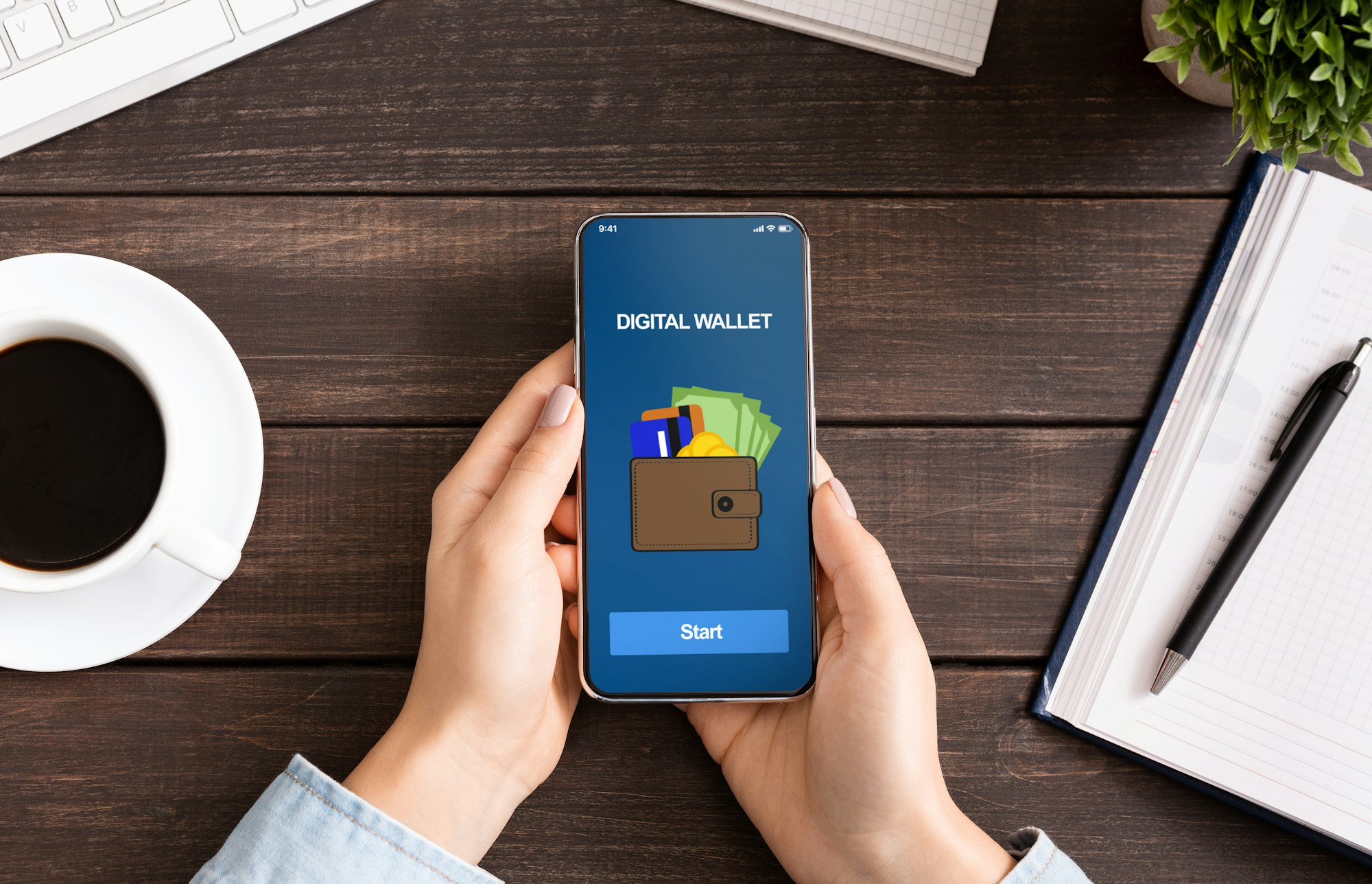
The future of digital wallets
This ubiquity reflects more than convenience. It signals a profound shift in how financial services are delivered, raising pressing questions: is the digital wallet sector heading for consolidation under a few global giants, or diversification into specialised products and regional champions?
As adoption rates accelerate, regulators, investors and providers alike are scrutinising whether digital wallets will evolve into standardised, all-encompassing “super apps”, or fragment into niche services tailored to different consumer needs.
The Growth Trajectory
The rise of digital wallets has been nothing short of meteoric. A Juniper Research study forecasts that global adoption will grow from 52.6% in 2024 to 67.9% by 2029, representing billions of users and a market value approaching $400 billion.
Convenience, security, and the boom in e-commerce all drive this trend, but the COVID-19 pandemic was the inflection point. With physical contact limited, consumers and merchants alike adopted contactless payments at scale.
The UK’s Financial Conduct Authority (FCA) recently described wallets as part of a “seismic shift” in payments. Data from Marqeta highlights that UK consumers are outpacing the US in contactless and wallet use. In Asia-Pacific, wallets such as Alipay and WeChat Pay have already become the default payment method, while Africa and Latin America are experiencing wallet-driven financial inclusion for underbanked populations.
Ryan O’Holleran of Airwallex notes: “By 2026 we can expect over 60% of the worldwide population to use digital wallets. The adoption is driven by technological advancements and needs across developed and emerging markets.”
Consolidation: Towards Global Platforms
The case for consolidation is compelling. Payments are a scale business, and the leading wallet providers—Apple, Google, PayPal, and Ant Group—are leveraging global reach, brand strength, and security infrastructure to dominate consumer mindshare.
Super wallets, pioneered in China, combine payments with ride-hailing, food delivery, insurance, and investment. As Pietro Candela of Alipay+ observes: “Super-apps were pioneered in China but now they are used by the majority of the population across Asia and Africa. Super Wallets enable users to manage, transact, and invest in diverse avenues through a secure virtual infrastructure.”
Apple’s move to unlock its NFC capabilities for third-party wallets represents another step towards competitive consolidation. It potentially levels the playing field in markets previously restricted to Apple Pay while reinforcing the idea that a handful of global providers will control the consumer payments ecosystem.
The benefits of such consolidation are obvious: consumers enjoy seamless interoperability, merchants face fewer integration challenges, and regulators can focus on monitoring a smaller number of systemic players. For providers, consolidation offers economies of scale, opportunities to monetise data, and the ability to cross-sell adjacent services.
Diversification: A World of Niche Wallets
Yet the market dynamics also support diversification. Despite global giants, regional champions like Vipps in Norway, M-PESA in Kenya, and Paytm in India thrive by meeting local needs. Wallets in emerging markets, for instance, have diversified into microloans, remittances, and basic insurance, offering products tailored to consumers outside the reach of traditional banks.
Michael Greenwood of Juniper Research underscores this point: “These basic financial services allow wallet providers to diversify revenue streams. These providers must take advantage of mobile financial service licences, where available, as they are often associated with a lower regulatory burden than full banking licences.”
The fragmentation of regulatory regimes reinforces this trend. The European Union’s planned Digital Identity Wallet, set for launch by 2026, highlights a distinctly regional approach rooted in privacy and consumer protection.
In contrast, super apps in Asia often combine social media with financial services, a model unlikely to gain approval under EU data rules.
In North America, entrenched credit card infrastructure slows wallet penetration. Meanwhile, in Africa and Latin America, wallets are leapfrogging traditional banking, offering payment rails where none previously existed. These disparities suggest that diversification—not consolidation—will remain a defining characteristic of the sector.
The Strategic Balancing Act
For wallet providers, the challenge is maintaining user engagement in a saturated market. Once a wallet has acquired users, the task becomes ensuring regular usage. The average consumer now has access to multiple wallets—Apple Pay, Google Pay, PayPal, bank-issued wallets, and merchant-specific apps such as Starbucks Rewards.
Nicholas Holt of Marqeta emphasises the need for innovation: “When the credit card was established about 70 years ago, it was a groundbreaking development. However, innovation stalled for many years, with static reward structures, such as 1.5% cash back. Now, we are seeing dynamic rewards being offered, where data is collected about card users to offer individuals bespoke and personalised rewards.”
Engagement strategies increasingly centre on value-added services. These include loyalty integration, biometric security, instant credit options, and even experimental features such as voice-activated payments and augmented reality interfaces. Apple’s Tap-to-Pay, which transforms iPhones into payment terminals, demonstrates how innovation can drive merchant adoption while keeping consumers within an ecosystem.
Another powerful strategy is diversification into financial products. By offering savings, lending, and insurance, wallets can transform into financial hubs. In emerging markets, this can mean first-time access to formal credit. In developed markets, it offers convenience and cost efficiency, bypassing traditional banks.
Regulatory Scrutiny
With mass adoption comes scrutiny. In the UK, the joint review by the FCA and the Payment Systems Regulator highlights regulatory concern over the systemic role of wallets. Questions of data privacy, competition, and financial stability loom large.
In the EU, the forthcoming Digital Identity Wallet is designed not only to enable payments but also to strengthen digital identity verification across borders. This initiative could redefine wallet use beyond payments, potentially becoming a core infrastructure for everything from healthcare access to government services.
However, regulatory divergence complicates global consolidation. Data privacy laws, consumer protection standards, and licensing requirements differ markedly across jurisdictions. This creates an uneven playing field, where global giants must adapt their models to local conditions and where regional providers can carve niches by aligning closely with regulators and consumer trust.
Security and Trust
One area where both consolidation and diversification converge is security. Tokenisation, biometric authentication, and encryption are now standard across leading wallets. Yet threats remain. The Identity Theft Resource Center reported over 2,000 breaches in US wallets in 2023, driven largely by phishing attacks.
Trust, therefore, becomes the ultimate differentiator. Consumers may tolerate minor differences in features or pricing, but they will not compromise on security. Providers able to deliver not just secure payments but also visible reassurance—through transparent practices and regulatory compliance—will maintain long-term loyalty.
E-commerce and Beyond
Digital wallets are not merely replacing cards; they are reshaping entire industries. E-commerce is the obvious beneficiary, with Juniper Research predicting that wallets will account for more than half of online transaction value by 2025.
But other sectors are following. In healthcare, wallets may one day store medical records alongside payment credentials. In travel, they already consolidate boarding passes, hotel keys, and insurance. In social commerce, wallets are embedding directly into apps, enabling purchases without leaving the platform.
As O’Holleran of Airwallex notes: “Businesses that do not offer this payment method risk missing out on a growing market segment, hindering their competitiveness in the process.”
Two Futures, One Sector
The future of digital wallets will not be defined by a single path.
Consolidation and diversification are not mutually exclusive but will co-exist across geographies and demographics. Global giants will continue to set the pace, driving innovation and economies of scale. Yet regional champions and niche players will thrive by tailoring services to local markets, regulatory environments, and consumer needs.
For consumers, the outcome is likely to be positive: more convenience, more choice, and more integration of payments into everyday life. For providers, the challenge lies in balancing ubiquity with differentiation, security with innovation, and local adaptation with global reach.
As Nicholas Holt succinctly puts it: “The future of payments is digital, and digital wallets will continue to dominate markets across the world as consumers demand more innovation and convenience in payments and banking.”
The key question is not whether digital wallets will endure—they will—but how the industry will structure itself. Consolidation offers efficiency; diversification offers resilience. The tension between the two will shape the payments landscape for the next decade.



Comments