 trending









E-commerce fraud is evolving faster than online retailers can keep up, with new research from Ravelin revealing that opportunistic shoppers are now as big a threat as organised criminals.
The Global Fraud Trends in Online Retail 2025 report paints a sobering picture: three in four merchants (76%) have seen fraud rise in the past year, and one in six say the increase has been significant.
On average, retailers are losing $11 million annually to fraudulent activity.
When the Customer Becomes the Fraudster
One of the report’s most striking findings is the rise of so-called “friendly” or customer fraud.
Refund abuse, false chargebacks, and promotional manipulation now eclipse attacks from professional cybercriminals.
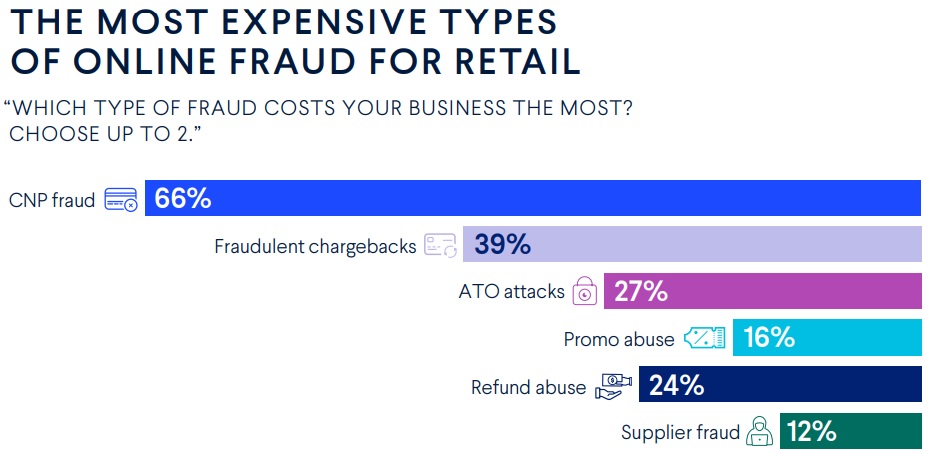
Nearly a third (32%) of retailers surveyed say consumers themselves are their biggest fraud threat, compared with 30% who blame criminals, while 38% believe both pose an equal risk.
Fashion, beauty, and accessories retailers are bearing the brunt.
Over half (52%) report that their own customers are more likely to attempt fraud than a year ago. In electronics and computing, that figure is 47%, while for other sectors it sits closer to 28%.
Opportunism and policy abuse have become part of the modern shopping experience — often encouraged by social media “tips” that normalise exploiting return and refund policies.
Retailers Struggle to Keep Pace
Fraud management is fast becoming a major operational burden.
Some 63% of retailers expect fraud to increase further over the next year, and 83% plan to raise their spending on prevention.
“Retail fraud is evolving faster than many merchants can respond,” said Mairtin O’Riada, Ravelin’s Co-founder and COO.
“Emboldened by social media and motivated by the cost of living crisis, consumers are trying their hand at fraud. What used to be the domain of professional criminals is now a part of everyday shopping behaviour.”
Retailers are caught in a balancing act: tightening security without alienating genuine customers.
Just over half (53%) now favour a “dynamic friction” model, adjusting fraud checks based on risk, while 41% still prefer blanket blocks that can create friction for legitimate shoppers.
AI Takes the Lead in Smarter Fraud Prevention
To navigate this complexity, 76% of retailers have turned to AI-driven fraud detection.
Machine learning tools can analyse patterns of behaviour in real time, reducing false positives while protecting against genuine threats.
Ravelin argues that AI should not only be seen as a defensive technology, but as an opportunity to improve the customer journey — making fraud prevention more precise, adaptive, and customer-friendly.
As e-commerce becomes more sophisticated, so too does e-commerce fraud.
Retailers now face a dual imperative: to understand the psychology of opportunistic consumers as well as the tactics of criminals — and to deploy smarter, AI-native solutions that keep commerce flowing without letting trust become the next casualty.




Comments