 trending









European lenders were forced into emergency action this week after a breakdown in PayPal’s fraud-checking systems allowed a torrent of unauthorised direct debits to sweep through banking networks.
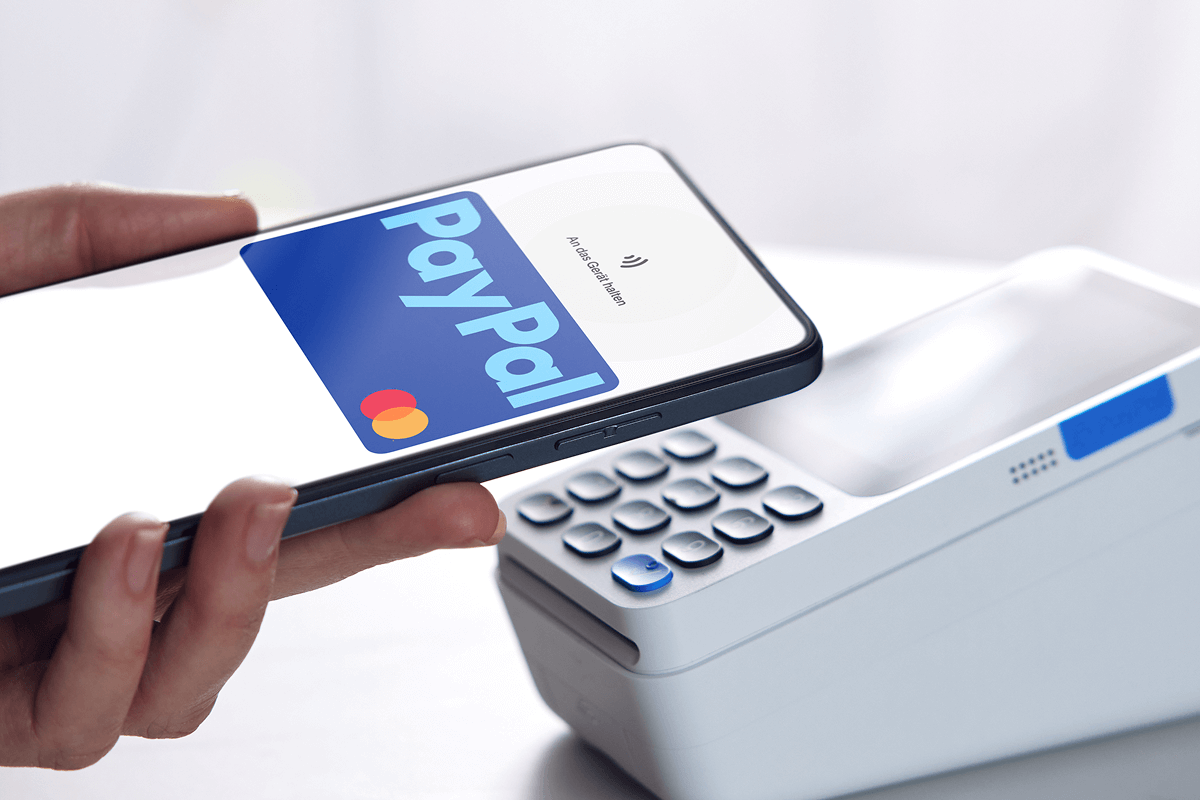
Banks scramble after PayPal glitch
The disruption, concentrated in Germany but with knock-on effects across the continent, prompted lenders to block transactions reportedly worth up to €10 billion.
The German Savings Banks Association (DSGV), which represents more than 300 institutions, confirmed that “incidents involving unauthorised direct debits initiated by PayPal” had created significant disruption to payment flows.
The watchdog said supervisory authorities were immediately notified, with Germany’s BaFin regulator and Luxembourg’s CSSF – where PayPal Europe is headquartered – both kept informed.
What happened?
According to Süddeutsche Zeitung, PayPal’s internal filter designed to intercept fraudulent debit instructions failed late last week.
This safeguard normally prevents criminals from submitting false mandates by, for instance, duping consumers into disclosing banking credentials through phishing calls or emails.
Its malfunction meant banks suddenly faced millions of suspicious debit instructions intermingled with legitimate payments.
By Monday, lenders had blocked vast volumes of transactions, with estimates of the total ranging from several hundred million euros into the low double-digit billions.
While the precise scale remains contested, the magnitude of the intervention underscores the critical role that filtering and fraud-detection systems play in the high-velocity payments ecosystem.
PayPal acknowledged what it described as a “temporary service interruption” that had affected “certain transactions from our banking partners and potentially their customers”.
A spokesperson said the company “quickly identified the cause” and had worked closely with banks to restore normal processing.
By Tuesday morning, the DSGV confirmed that PayPal transactions were operating as usual again.
The Fallout?
The incident nevertheless rattled markets, with shares in the Nasdaq-listed payments group slipping almost 2 per cent in early trading.
Investors were left weighing the reputational damage from such a large-scale failure, particularly as PayPal has built much of its brand equity on consumer trust and security.
For Europe’s retail banks, the episode represents an unwelcome reminder of their exposure to the operational resilience of third-party providers.
Although the sector managed to contain the immediate fallout, the scale of the attempted debits has raised questions about the adequacy of contingency planning in an era where fintech intermediaries now process vast volumes of consumer transactions.
It also highlights the increasingly complex supervisory environment.
While BaFin and the CSSF both confirmed they had been informed, neither offered detail on next steps.
Analysts suggest regulators may now push PayPal to provide more detailed assurances about its fraud-screening capabilities and its incident response protocols.
Though services were quickly restored, the glitch is likely to linger in European banking circles as a case study in systemic risk.
When a single failure at a global payments provider can unleash billions in rogue transactions, the stakes for digital infrastructure resilience could scarcely be higher.



Comments