 trending










In a development that could reshape the US credit card landscape, JPMorgan Chase is reportedly nearing an agreement to take over the Apple Card from Goldman Sachs.
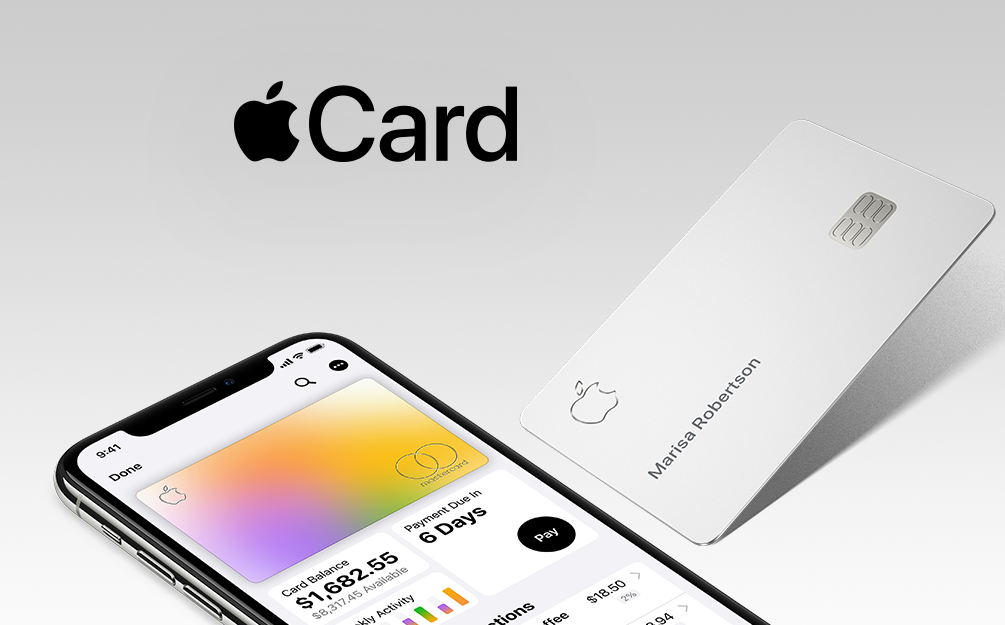
JP Morgan Chase poised to take over Apple Card
The deal, if finalised, would mark one of the largest co-branded credit card transitions in history, forging a deeper alliance between two of the world’s most influential companies: Apple and JPMorgan.
Launched in 2019, the Apple Card was originally backed by Goldman Sachs in an ambitious move to diversify the investment bank’s operations into consumer finance.
However, the venture proved financially unsustainable.
By 2023, Goldman signalled its intention to exit the partnership, hampered by soaring losses, rising delinquencies, and a portfolio weighted heavily toward subprime borrowers.
According to people familiar with the matter, Apple has now identified JPMorgan Chase as its preferred replacement.
Negotiations between the two firms have reportedly accelerated over recent months, although a final deal remains unsigned.
Key sticking points include the structure of the portfolio and service model.
JPMorgan is said to be pushing for modifications to Apple Card’s customer-friendly features, notably its calendar-based billing system, which strains customer service operations.
The Apple Card currently has around $20 billion in outstanding balances, with approximately 34% of Goldman’s credit card customers holding credit scores below 660—a figure significantly higher than JPMorgan’s 15% exposure to the subprime segment.
This risk profile, coupled with the card’s no-late-fee policy, has made the portfolio less appealing to potential issuers.
Industry sources suggest JPMorgan is seeking a discount on the loan book, given elevated delinquencies and loss provisions—Goldman had earmarked $2.45 billion to cover potential card loan losses as of March.
While JPMorgan is leading the race, other banks—including Barclays, Synchrony, and Capital One—have reportedly considered the portfolio but stepped back, deterred by the programme’s economics.
Visa has also entered the fray, offering Apple $100 million in an attempt to displace Mastercard as the card’s network partner.
If successful, JPMorgan’s acquisition would entrench its dominance as the largest credit card issuer in the United States, providing it with access to a loyal and affluent cohort of Apple users.
For Apple, the move could ensure the long-term viability of its financial services ambitions, allowing the tech giant to better integrate its credit offering with hardware sales and Apple Pay infrastructure.
Although hurdles remain, the strategic alignment between Apple and JPMorgan may prove too compelling to ignore—heralding a new chapter in the convergence of technology and banking.




Comments