 trending










Nationwide Building Society has agreed the acquisition of Virgin Money, valued at £2.9 billion that will shake up the UK market by providing a large rival to other major lenders.
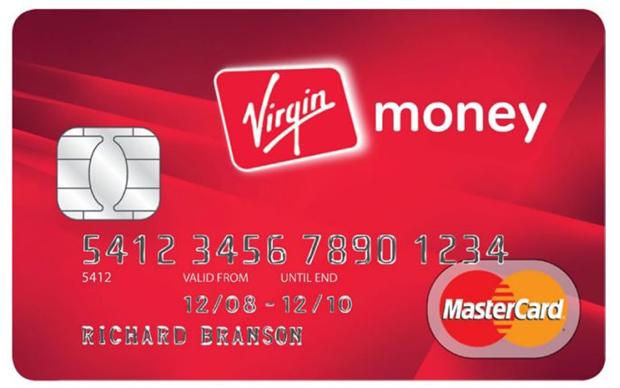
Challenger Banks are finding life challenging
While nothing has been finalised, the offer is expected to see the two brands continue to be run as separate entities and no material change to the size of Virgin Money’s 7,300 workforce is expected either.
But this acquisition and the Barclays purchase of Tesco bank in early 2023 may not be all they are cracked up to be.
The all-cash offer of 220p per Virgin Money share represented a premium of 38% to Virgin Money’s share price.
However, the acquisition, apart from anything else, shows that challenger banks haven’t really lived up to their name.
Virgin Money was the largest. Judging from its low return on equity, at under 10% despite its reasonable cost to income ratio of 52%, it lacked scale in a highly competitive market.
The company tried to consolidate the market with the acquisition of Clydesdale and Yorkshire Bank in 2018, but integration went slower than hoped.
With a cost of equity in the teens, Virgin Money was destroying shareholder value. Even with the 38% jump in the shares seen since the announcement, the stock price has been moving sideways for five years.
Nationwide’s proposed cash offer represents a 40% premium to the three-month average price. That may look healthy. But Nationwide isn’t really stumping up much to become the UK’s number two retail bank in terms of mortgages and savings.
The offer pegs the bank at a valuation of 0.6 times tangible book value. Barclays paid a similar multiple for Tesco Bank, a fraction of the size.
Virgin Money has more than 3% of the mortgage market and 8.6% of the credit card market. It also has £14 billion of excess capital, enough to cover 150% of 30-day outflows from its deposits…in other words is gone cheap.
“The announcement this morning represents a continuation of the trend of consolidation in the mid-tier banking market. A number of the full service mid-tier banks continue to find themselves stuck in a catch-22 hence the recent uptick in dealmaking,” explains Simon Kent, Global Head of Financial Services at Kearney.
“On one hand, they’re unable to compete with the sheer size and customer base of the clearing banks, and on the other, many do not have the speciality or uniqueness that allows them to differentiate.
Particularly for companies where banking is not one of their core activities, selling the banking arm of their business allows them to reallocate capital to support core businesses.
From the perspective of the bigger banks, the opportunity to acquire these mid-tier institutions gives them access to not only customers, but also talent and tools which would take time and investment to replicate.”
The expanded company will become the country’s second largest mortgage and savings group by market share, should a takeover proceed.
Nationwide chief executive said: “Importantly, Nationwide will remain a building society, and a combined group would bring the benefits of fairer banking and mutual ownership to more people in the UK, including our continuing commitment to retain existing branches, as part of our ‘Branch Promise’ and leading levels of customer service.
“We believe the combination would create a stronger and more diverse business that will be better placed to deliver value to our members and customers, both now and in the future,” said Debbie Crosbie, CEO, Nationwide Building Society.
“The board of Virgin Money is pleased that Nationwide recognises the considerable strengths and opportunities that exist across our business, with the potential acquisition delivering attractive value for our shareholders,” concluded David Bennett, Chairman, Virgin Money.




Comments