 trending









Want to shore up your online business transactions? Choose the correct payment ways. This quick and crucial guide shines a light on the safest options.
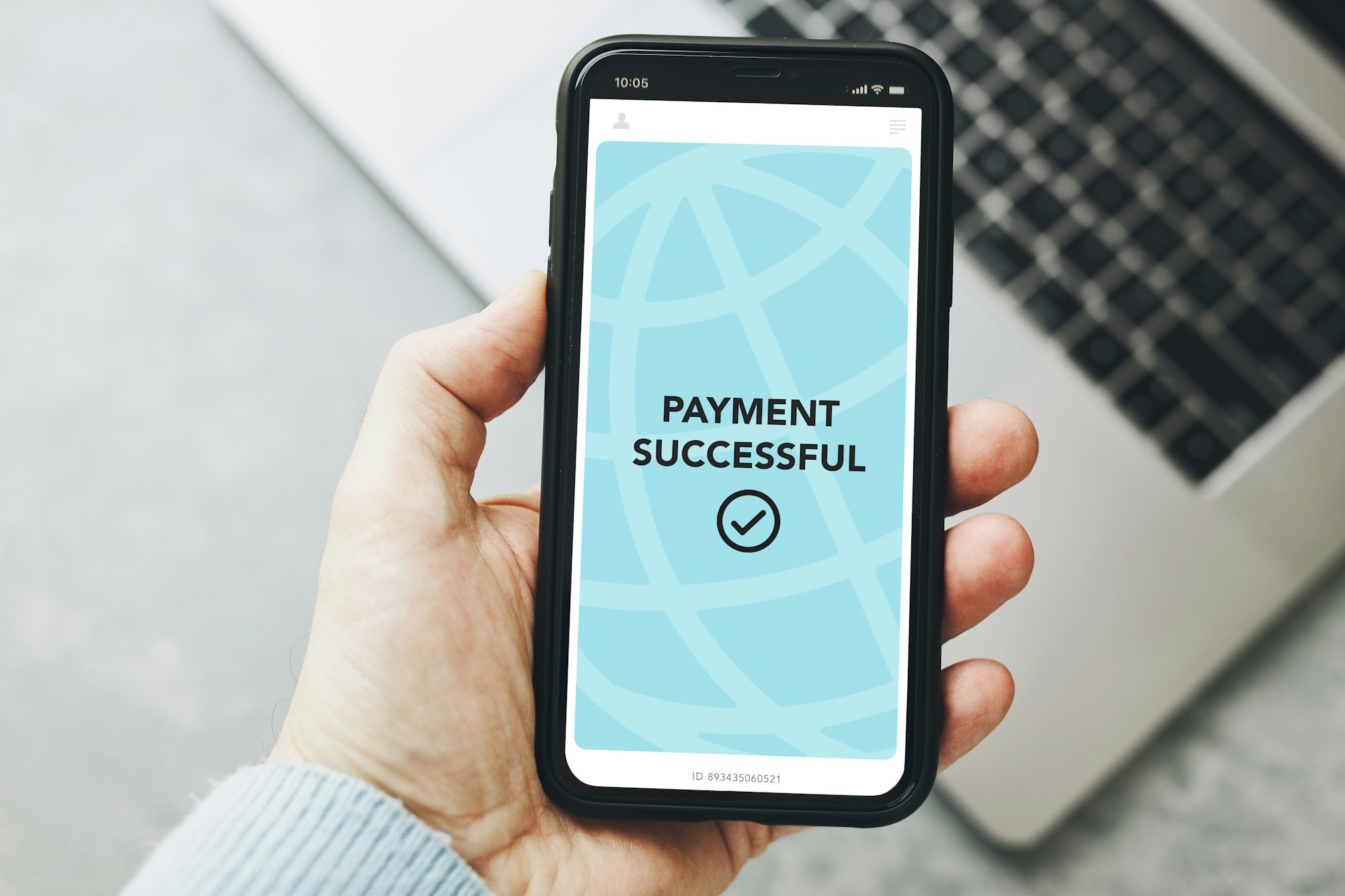 Think credit cards, digital wallets, and more. It equips you to make your e-commerce platform safe from potential risks. Explore safe online payment ways for your business and secure your transactions.
Picking Safe Online Payment Methods
Safe online payments involve many options, each offering a unique mix of ease and safety features, such as encryption, fraud safeguards, and two-step verification.
These systems are present in roulette games at mBit Casino to cryptocurrencies – all processors that smooth out online transactions.
Knowing where to start is critical if you want to make secure online transactions. Some of the most typically used safe online payment methods include:
- Credit cards
- Debit cards
- ACH & SWIFT transfers
- Digital wallets
These methods balance ease with safety, making it simple to shop online and shield your personal financial info when paying online.
Credit Cards: Upgraded Safety for Web Buys
Credit and debit cards, even debit cards, are the primary pick for online buying. They give:
- A safe approach for sharing transaction details with the bank of the customer
- Protection against scams
- Security for purchases
- Charge disputes
- Secure and encrypted card info transfer to the dealer’s payment handler, so data stays safe.
Digital Wallets: Modern Comfort and Defence
Digital wallets are handy and secure. Customers say they are transforming online business. From data encryption safeguarding financial and personal info to two-step authentication with PINs, digital wallets promise safe online business.
Direct Bank Transfers: Solid Choice for Biz Deals
Direct bank transfers, bank-to-bank, are a powerful, safe choice for business. By cutting out go-betweens, these transfers offer more robust safety and less fraud risk than other payment methods.
Bitcoin and Safe Payments
Bitcoin is famous for its safety. It keeps growing because of its unique features. There are no middlemen like banks.
Everything is verified and saved on a system called the blockchain. Using private and public keys, Bitcoin keeps online payments safe.
Add More Layers to Payment Safety
There’s more to safe payments than the method itself. Businesses need to add more safety layers. This includes making info hidden (encryption), tokenization, being PCI compliant, and regular safety checks.
These layers help businesses make their online transactions even safer.
Encryption and Tokenization: Keeping Customer Info Safe
Encryption and tokenization are vital in protecting customer info. Complex formulas keep card info hidden. It can’t be decoded without a unique key.
Meanwhile, tokenization replaces sensitive info with unique random codes or tokens. This ensures that actual payment info is never saved or transmitted.
PCI Compliance: Following the Rules
Businesses dealing with cardholder data must follow the Payment Card Industry Data Security Standards (PCI DSS).
By following these rules, businesses can assure customers that their cardholder info is kept in a secure environment.
Keep your Business Safe with Routine Security Checks
Regular security reviews help businesses avoid potential threats. By examining and testing their protective measures for sensitive payment data, companies can:
- Pinpoint weak spots
- Uncover threats
- Spot risky behaviours
- Find flaws in cybersecurity methods and systems
This boosts their online transaction and payment safety.
Smoothing Transactions Using Payment Channels and Processors
The smooth operation of online payments relies on payment channels and processors. They simplify online payments, ensure secure transactions, and significantly enhance the speed and security of online business.
How Payment Channels Work
Payment channels bridge the gap between customers, companies, and banks, processing payments securely during an online transaction.
They encrypt and collect customer payment details and handle the money transfer between the customer and the company’s banks, making them crucial for online trading.
Choosing the Right Payment Processor
It’s vital to pick a trusted payment processor for reliable and secure payment handling. Features you should look into include:
- A unified payment platform
- Support for multichannel payments
- Transparency
- Time-saving features
- Convenience
- Simple reporting
- Acceptance of multiple payment methods
It’s also important to consider the pricing structure, including transaction, processing, and interchange fees.
Leveraging Advanced Payment Options for Global Reach
New payment options, such as virtual cards and cryptocurrency payments, have emerged due to advancements in payment technology.
These advanced payment options offer improved security and facilitate global reach, proving beneficial for businesses operating globally.
Virtual Cards: Temporary and Secure Online Solutions
Virtual cards offer a secure payment option for online transactions, safeguarding users against fraudulent activities and identity theft.
These cards are issued by financial institutions and are usually accessible through online banking or mobile applications.
Cryptocurrency: Embracing Decentralized Payments
Cryptocurrency payments offer a decentralized and secure payment method. Transactions are verified and recorded on a decentralized public ledger known as the blockchain, and the use of public and private keys enhances security during transactions.
Managing In-Person Contactless Transactions
The convenience of in-person contactless transactions has boosted popularity.
Technologies such as EMV-enabled cards and mobile payment apps make these transactions possible, ensuring customers a seamless and secure payment experience.
EMV-Enabled Credit Cards: Combating Counterfeit Fraud
EMV-enabled credit cards utilize a small but potent chip to enhance the security of transactions. This chip generates a unique code for each transaction, significantly reducing the risk of counterfeit fraud.
Mobile Payment Apps: Seamless Integration for Retail
Mobile payment apps, like Apple Pay, offer seamless integration for retail transactions.
With advanced security measures like encryption, authentication, and tokenization, these apps ensure that your in-person contactless transactions remain secure.
Protecting Against Identity Theft and Payment Fraud
Technology has escalated the risk of identity theft and fraudulent transactions despite making payments more convenient.
Implementing real-time fraud monitoring and educating customers about safe payment practices can help businesses guard against these threats.
Real-Time Fraud Monitoring: Detecting Suspicious Activity
Real-time fraud monitoring utilizes a blend of AI, machine learning, and rules-based systems to examine patterns and anomalies in transaction data as they occur.
This helps detect potentially fraudulent activities and offers instant insights to prevent fraud.
Educating Customers on Safe Payment Practices
Empowering customers with knowledge about safe payment practices is key to protecting against identity theft and payment fraud.
This includes educating customers about scammers’ tactics, such as fraudulent emails, texts, and copycat websites, and advising them to refrain from providing personal information in response to unsolicited requests.
Selecting Safe Payment Methods Tailored to Your Business Needs
Choosing safe payment methods that align with your business needs is vital. This includes assessing the business scale and payment volume and balancing convenience and security to ensure a seamless and secure customer payment experience.
Assessing Business Scale and Payment Volume
Determining the most suitable payment methods, such as Google Pay, can be aided by assessing your business’s scale and payment volume.
This involves calculating the Gross Payment Volume (GPV) and estimating the market size by multiplying the market volume by the average value or price expectations.
A successful payment strategy hinges on finding the perfect balance between convenience and security.
By verifying customers and their payment methods, businesses can ensure optimal security while providing a smooth and convenient user experience.



Comments