 trending












Three in five Americans (58%) expect all payments to be digital payments in the near future, rising to two thirds among millennials (67%), according to a new survey “Cashing in on the rise of digital – key trends in US payments”.
This comes as US adoption of instant payments is set to soar following the launch of FedNow and growing competition and collaboration between banks and fintechs to offer a range of innovative payment solutions.
“At Datos, we are seeing increased adoption of digital payments in the US. A lot of factors are influencing this shift including market innovation, increasing choice of payment options and a surge in transaction volumes,” Erika Baumann, Director, Commercial Banking & Payments, Datos Insights.
“As the shift to digital payments continues, more banks are reviewing their payments infrastructure with specific focus on technology and platform choices which enable them to innovate and scale as their business evolves.”
According to the Temenos survey, almost a quarter (24%) never or rarely use cash (less than monthly), preferring to use cashless methods such as mobile banking and payment apps.
Of those surveyed, almost three quarters (71%) use mobile or online banking for payments with over one third (36%) sending account to account transfers via wire or ACH at least monthly.
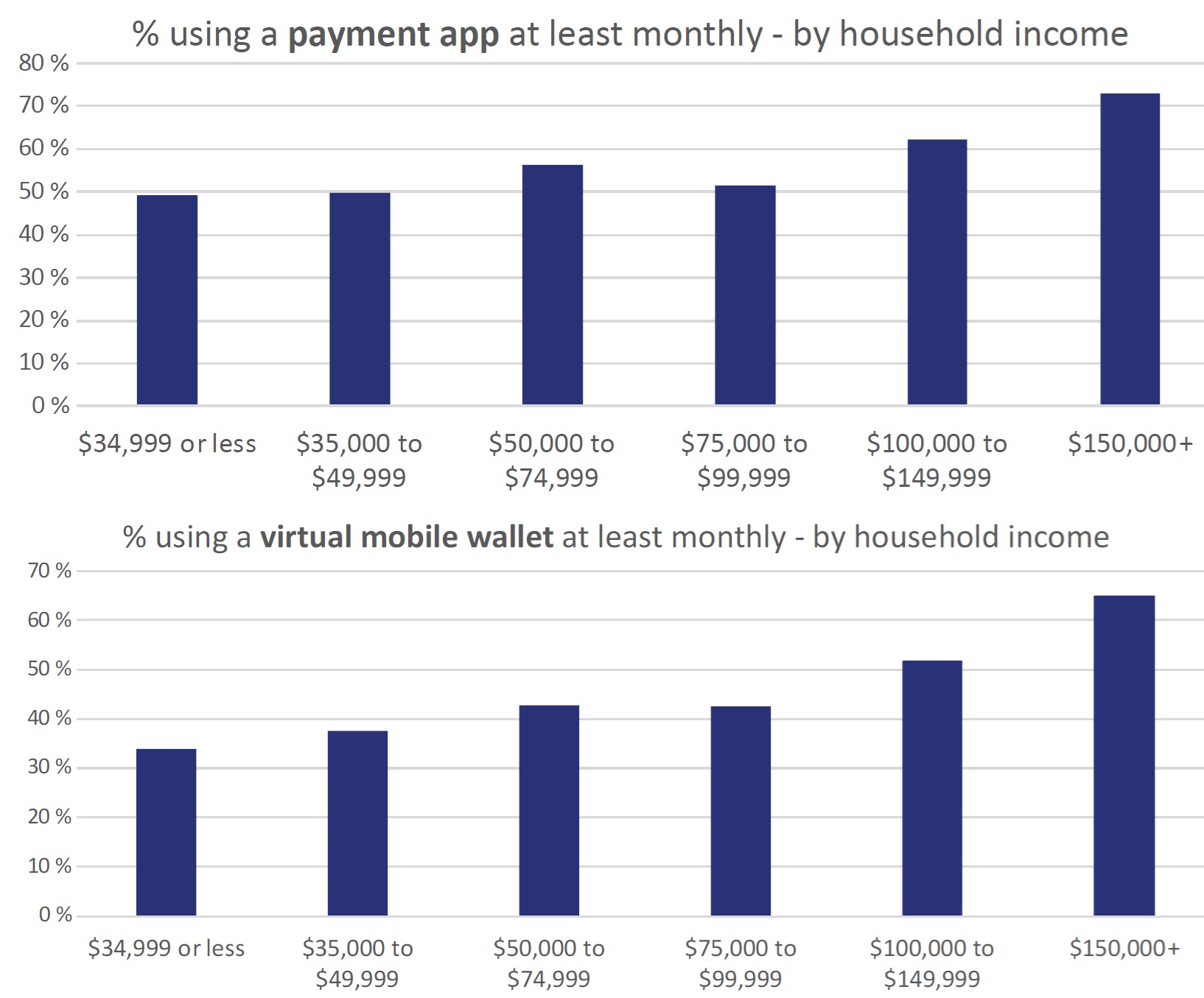
Over half, 53% use a payment app like PayPal or Venmo at least monthly while 41% use a mobile wallet such as Google Pay or Apple Pay.
Just over a quarter (26%) use QR codes for payments, while 16% do so using some form of cryptocurrency.
The introduction of new instant payment initiatives such as FedNow gives banks an opportunity to elevate the customer experience and grow their payments business.
More than a third of Americans surveyed say bank transfers today are too slow and expensive, yet half (51%) would only trust their bank or credit union when sending payments.
In fact, when thinking about digital payments, security and protection from fraud (50%), privacy (40%) and a trusted brand (39%) are the most important factors for consumers.
Adoption of new payment methods is being driven by younger cohorts.
The survey finds Gen Z (18 to 25-year-olds) and Millennials (26 to 41-year-olds) are the most dissatisfied with the speed and cost of bank transfers.
Further, more than half expect to use online banking, contactless and payments apps more in the next few years, compared to only around one third for older generations.






Comments